California’s development timeline is longer and more complex than most investors expect. Between a land purchase and the moment a contractor breaks ground, a multifamily project in Orange County typically passes through 8–12 distinct approval steps across multiple agencies. Each step has its own timeline, its own risk of delay, and its own cost. Here’s what the full process actually looks like — from someone who navigates it regularly.
Every developer who enters California for the first time has the same experience. They come from a market where land-to-shovel takes 12–18 months. They close on a California site planning to break ground in 14 months. Three years later, they’re still in entitlement, having spent $500,000 on consultants. California is genuinely different. The regulatory process is more complex, more politically driven, and more subject to delay than virtually anywhere else in the country. That complexity is also why entitled California land commands enormous premiums — the value of having survived the process is real.
Pre-Purchase Due Diligence: Before You Close
The entitlement process begins before you buy the land. At minimum, pre-purchase due diligence should include: General Plan and zoning analysis (what uses and density are allowed?), environmental constraints screening (flood zone, liquefaction zone, fire hazard severity zone, biological resources?), utility availability (water, sewer, gas, power — connection costs and timelines?), title review (easements, deed restrictions, CC&Rs?), and political intelligence (what is the city’s posture toward this type of development?). Skipping this due diligence and relying on seller representations is one of the most expensive mistakes in California development.
California land-to-permit typically runs 36–48 months. Entitlement and CEQA are the longest phases — together averaging 2–2.5 years on a standard discretionary project.
Feasibility Study and Initial Design (1–3 months)
After closing, engage an architect for a feasibility study testing whether a financially viable project can be designed within the site’s constraints. This includes schematic design showing maximum achievable units, preliminary construction cost estimate, preliminary financial model comparing development cost to projected value, and identification of any variances, conditional use permits, or zoning amendments required. If the feasibility study shows the project doesn’t pencil, it’s better to know before spending 24 months in entitlement.

Pre-Application Conference (1–2 months)
Most OC cities offer — and many require — a pre-application conference with city planning staff before formally submitting an application. This informal meeting surfaces issues early before money is spent on full design documents, and establishes a working relationship with the planners who will review your application. Projects that skip this step tend to receive more onerous conditions later.
CEQA Environmental Review (6 months – 3+ years)
As covered in our land entitlement guide, CEQA is the most significant variable in the California development timeline. Three tracks:
- Categorical Exemption: 30–90 days if the project qualifies
- Mitigated Negative Declaration (MND): 6–18 months including a 30-day public comment period
- Environmental Impact Report (EIR): 18–36 months, sometimes longer; significant projects or contested sites
CEQA is also the most heavily litigated element of the process. A single objector can file a CEQA lawsuit adding 12–24 months of delay. This litigation risk is priced into entitled land and is why developers pay such significant premiums for sites that have already cleared CEQA.
Planning Commission Hearings (3–6 months after CEQA)
Most discretionary projects require a Planning Commission hearing where neighbors, advocacy groups, and other stakeholders can comment. The Commission can approve, conditionally approve, continue (requesting modifications), or deny. Conditions of approval — affordable housing in-lieu fees, traffic signal installations, public park dedications — can materially affect project economics and need to be anticipated in pre-purchase underwriting. Planning Commission decisions can be appealed by either the applicant (if denied) or opponents (if approved), adding more hearings and more delay.
Design Review (2–4 months, overlapping with Planning Commission)
Many OC cities require a separate design review process evaluating architectural quality, materials, colors, landscaping, and site layout. Cities with strong neighborhood character concerns — Costa Mesa, Newport Beach, Dana Point — have more extensive design review. Results can include required modifications requiring revised drawings and resubmittal.
Appeal Period (30–60 days after approval)
After Planning Commission approval, there is typically a 10–15 day appeal window. CEQA litigation can also be filed within 30 days of project approval — the most serious delay risk, potentially setting a project back 12–24 months and requiring supplemental environmental analysis.
Plan Check and Permit Issuance (2–4 months)
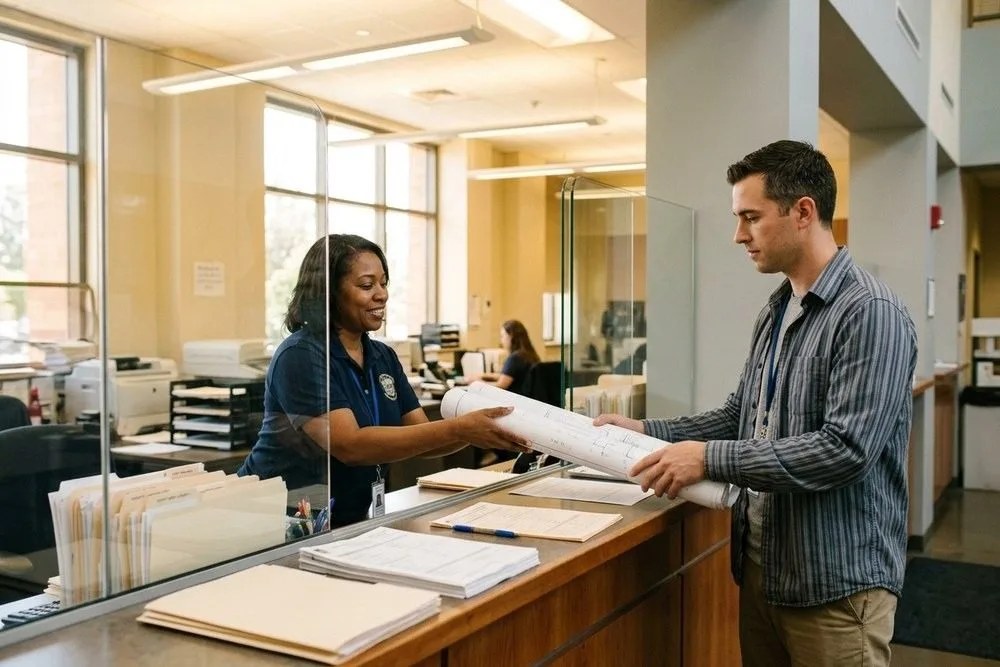
With all discretionary approvals in place, the developer submits final construction drawings for plan check — a technical review of compliance with the California Building Code, Title 24 energy standards, fire code, and structural engineering requirements. First-round comments are nearly universal. Most projects in OC take 2–4 rounds before permits are issued, with each round taking 2–4 weeks.
Total Timeline and Cost Estimate
| Phase | Duration | Typical Cost |
|---|---|---|
| Pre-purchase due diligence | 1–2 months | $15,000–$50,000 |
| Feasibility and initial design | 1–3 months | $30,000–$80,000 |
| Pre-application and preparation | 1–2 months | $20,000–$40,000 |
| CEQA review (MND) | 6–18 months | $50,000–$200,000 |
| Planning Commission | 3–6 months | $40,000–$100,000 |
| Design review | 2–4 months | $20,000–$50,000 |
| Appeal period (no appeal) | 1–2 months | Minimal |
| Plan check | 2–4 months | $30,000–$80,000 |
| Total (MND track) | 18–36 months | $200,000–$600,000+ |
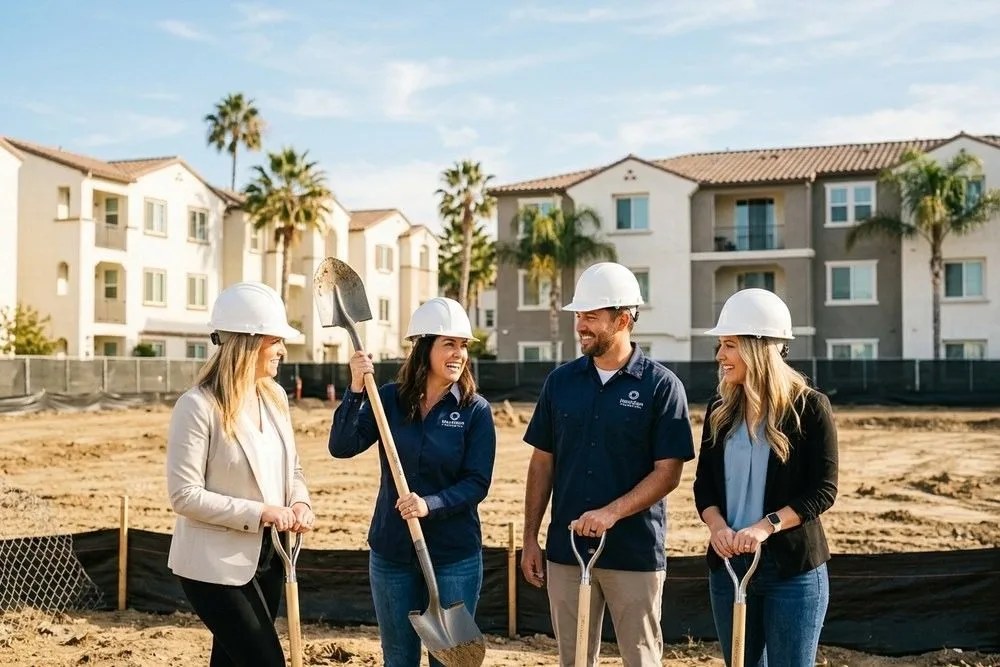
These are soft costs only — they don’t include carrying the land during entitlement. At 6% financing on a $2,000,000 land acquisition, carrying cost alone runs $120,000/year. Over a 2-year entitlement process, that’s $240,000 in additional cost before a single shovel touches the ground.
This financial reality is why California development is challenging for undercapitalized developers — and valuable for those who can carry it. Our development team has navigated this process in Southern California since 2005, with the consultant network and institutional knowledge that compress timelines wherever possible.
Frequently Asked Questions