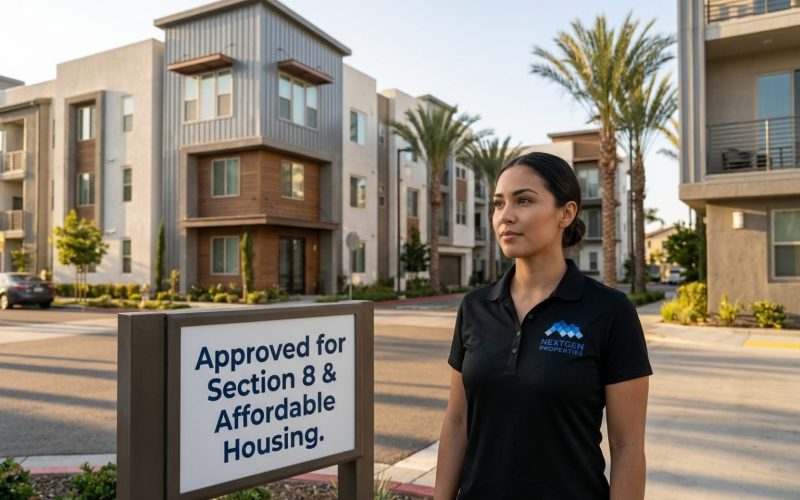
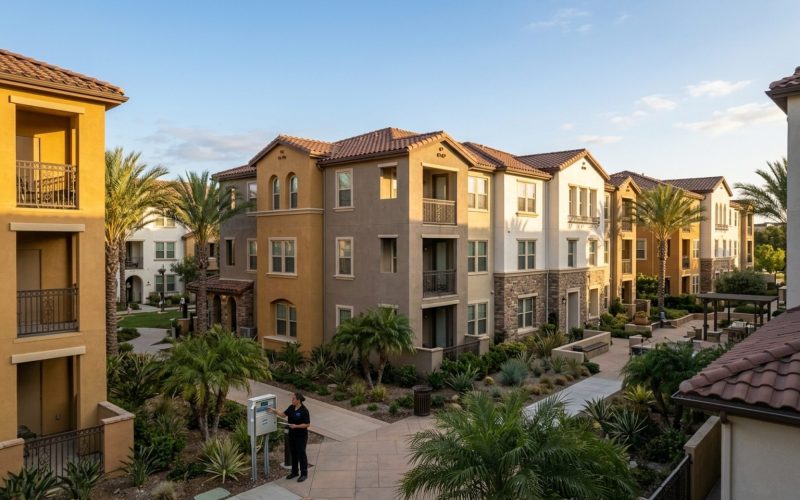
Anaheim has the highest multifamily transaction volume in Orange County, cap rates of 5.0?5.5%, and a diverse tenant base anchored by hospitality, healthcare, and aerospace employment. Here's what Anaheim landlords and investors should know about managing rental property effectively in this market.
Anaheim is Orange County's largest city by population and one of its most active multifamily investment markets. Higher cap rates, a large renter base, and significant value-add inventory make it the primary market for investors seeking yield in OC — but the management intensity is real. NextGen Properties delivers professional Anaheim property management built for this market.
The Anaheim Rental Market
Anaheim's rental market is driven by a large and diverse workforce — hospitality, healthcare, logistics, and light manufacturing. Average 2BR rents run $1,900–$2,600/month, with significant variation between West Anaheim near the Disneyland corridor, Central Anaheim, and the newer Stadium District. Vacancy runs 3–5% depending on submarket and asset quality. Cap rates for Class B/C multifamily range 5.0–5.5%, making Anaheim the highest-yielding major submarket in OC for cash-flow-focused investors.
Management Intensity: What Anaheim Landlords Face
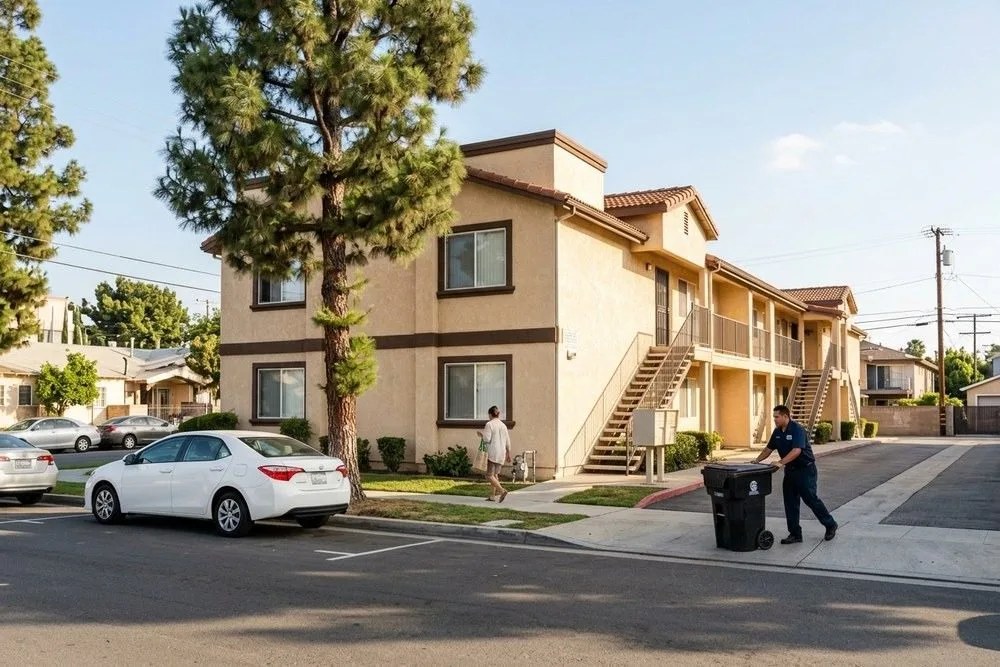
Anaheim's management intensity is meaningfully higher than coastal or mid-county OC markets. Annual turnover rates of 30–40% are common in older Class C stock — versus 15–25% in Costa Mesa or Irvine. Older building vintage, a tenant base with more variability in income stability, and higher maintenance demand all contribute. Self-managing Anaheim multifamily is harder and more time-consuming than self-managing comparable properties in other OC markets. The efficiency gains from professional management have a proportionally higher dollar impact on net yield in Anaheim than in lower-maintenance markets.
Tenant Placement and Screening
In Anaheim's $2,000–$2,500/month range, tenant quality variance is high. A problematic tenant can cost $8,000–$18,000 in lost rent, legal fees, and unit damage over a 6–12 month eviction cycle. NextGen runs full credit, income, employment, and rental history verification on every applicant. We apply consistent screening standards across our portfolio and document every decision to comply with California's fair housing requirements.
Value-Add Opportunities in Anaheim
Anaheim has more genuine value-add inventory than most OC markets — older buildings with below-market rents under individual management, operational inefficiencies that a professional manager can correct, and rent upside available through unit improvements and turnover cycles. The value-add math works in Anaheim because the cap rate entry point is high enough to support the renovation and management costs required to execute the strategy.
Compliance and Code Enforcement
Anaheim's code enforcement is active, particularly in older residential neighborhoods. Unpermitted improvements, deferred exterior maintenance, and habitability issues are all triggers for city inspections and fines. NextGen tracks code compliance requirements for managed properties and coordinates repairs proactively to avoid citation exposure for owners.
Why NextGen Properties for Anaheim
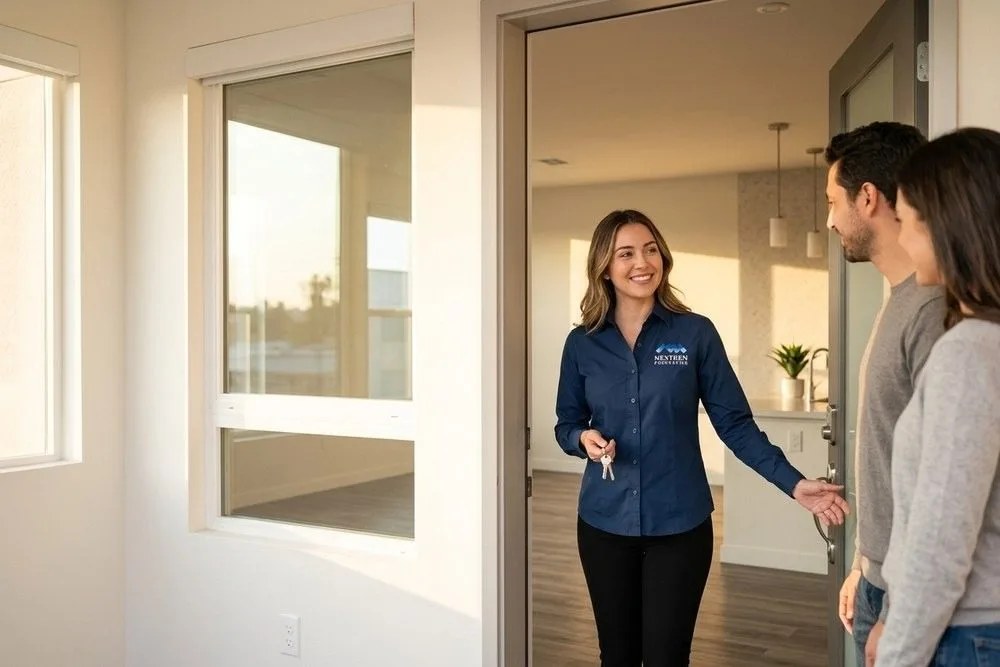
NextGen Properties manages across all major OC submarkets, with active inventory in Anaheim and the surrounding inland OC market. We bring institutional-quality management practices to assets in Anaheim's Class B and C range — professional tenant screening, documented maintenance systems, AB 1482 compliance tracking, and clear monthly reporting. Talk to NextGen about managing your Anaheim property.
Rent Control in Anaheim
Anaheim does not have a local rent stabilization ordinance. Statewide AB 1482 is the primary framework governing rent caps and just cause eviction requirements for most Anaheim rental properties built more than 15 years ago. The annual rent increase cap under AB 1482 is 5% + local CPI, with a hard ceiling of 10%. Just cause eviction protections apply after 12 months of tenancy.
Anaheim's city council has discussed tenant protection measures including a potential rental registry, and local tenant groups have explored ballot initiatives, but no local ordinance has been adopted. For now, AB 1482 compliance is the primary regulatory obligation for Anaheim landlords — proper notice procedures, rent increase tracking, and just cause documentation are the compliance basics that professional management addresses.
Anaheim Neighborhoods: Investment Characteristics
Anaheim's submarkets perform very differently from each other:
- West Anaheim (Resort District): Hospitality-driven renter base. Higher turnover, strong demand. Proximity to Disneyland Resort drives consistent employment but also seasonal variability. Average 2BR rents: $2,200–$2,600.
- Central Anaheim: Older housing stock, highest value-add potential. Mixed residential/commercial neighborhoods. More code enforcement activity. Average 2BR rents: $1,900–$2,300.
- Anaheim Hills: Suburban, family-oriented. Higher rents ($2,400–$3,000 for 2BR), lower turnover, fewer value-add opportunities. Primarily SFR and newer construction.
- Platinum Triangle/Stadium District: The fastest-evolving submarket. New mid-rise and high-rise construction is reshaping this area from an industrial zone into an urban residential center. Cap rates here are converging with coastal OC as the submarket matures.
Maintenance Challenges Specific to Anaheim
Anaheim's older building stock (much of the Class B/C inventory was built in the 1960s–1980s) creates maintenance patterns that differ from newer OC markets:
- Plumbing: Galvanized steel pipes in pre-1980 buildings are a major capital expense. Budget for full or partial re-pipes on older acquisitions.
- Electrical: Older panels (Federal Pacific, Zinsco) are both safety hazards and insurance red flags. Panel upgrades run $3,000–$5,000 per unit.
- Pest control: Anaheim's older wood-frame buildings require more aggressive pest management programs than newer construction.
- Parking lot and exterior: Deferred maintenance on asphalt, stucco, and roofing is common on acquisitions from individual owners. Build these into your capital improvement budget from day one.
Frequently Asked Questions