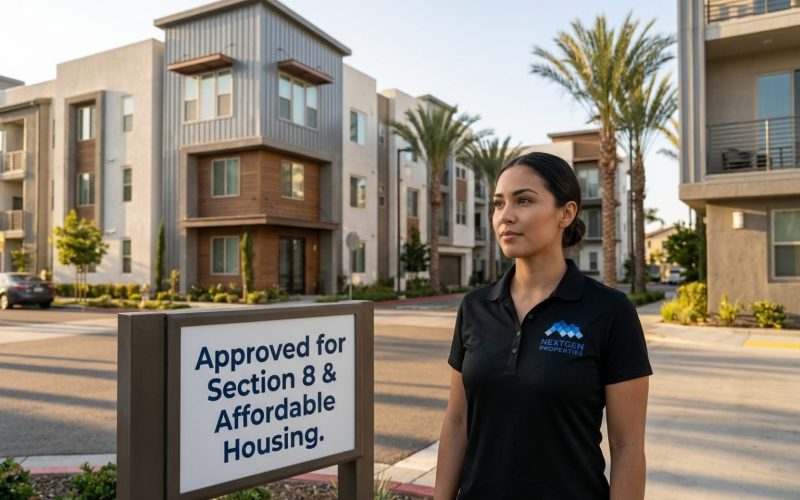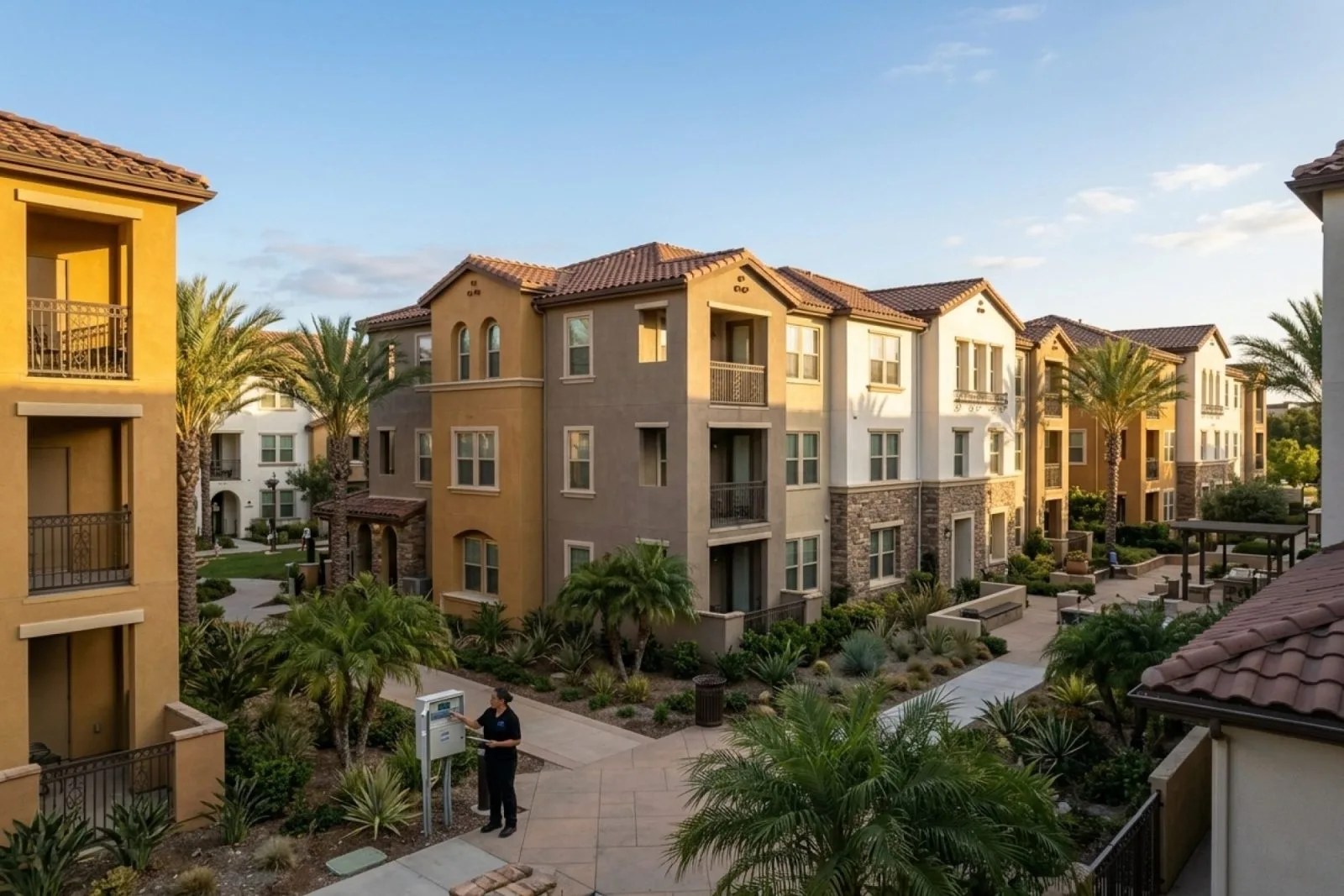
AB 1157 represents the most significant expansion of California rent control since AB 1482, extending rent stabilization to properties built after 1995 for the first time. The legislation, which stalled in 2025 but gained momentum in early 2026, will affect an estimated 400,000+ rental units statewide when it takes effect January 1, 2027. Orange County landlords managing properties constructed between 1996-2010 face the greatest impact, with new rent increase caps, just-cause eviction requirements, and tenant notification mandates. Our analysis of similar expansions in other states suggests compliance costs averaging $180-240 per unit annually, making proactive preparation essential for maintaining cash flow and avoiding penalties that can reach $10,000+ per violation.
AB 1157 Overview and Timeline
Assembly Bill 1157, authored by Assemblymember Matt Haney, extends California's Tenant Protection Act coverage to properties built after January 1, 1995 through December 31, 2010. The bill passed the Assembly in March 2026 with a 44-36 vote and currently awaits Senate committee review. If signed into law, AB 1157 takes effect January 1, 2027, giving landlords just eight months to prepare.
Irvine and Anaheim face the largest compliance burden with over 30,000 combined units entering rent control.
The legislation closes what tenant advocates call the "rent control gap" — approximately 1.2 million units statewide that were exempt from AB 1482 protections. In Orange County, this affects an estimated 85,000-95,000 rental units across key markets including Costa Mesa, Newport Beach, and Huntington Beach. Properties built after 2010 remain exempt under a 15-year rolling protection period.
Unlike previous rent control expansions that phased in gradually, AB 1157 applies immediately to all qualifying properties on the effective date. This compressed timeline creates urgency for landlords to audit their portfolios, update lease agreements, and implement new compliance systems before the January deadline.
Key Legislative Changes
AB 1157 mirrors AB 1482's core provisions but applies them to the 1996-2010 construction cohort. Rent increase caps limit annual increases to 5% plus local CPI, with a maximum of 10%. Just-cause eviction protections require specific legal grounds for termination after 12 months of tenancy. Relocation assistance mandates payments for no-fault evictions, typically one month's rent in Orange County markets.
The bill includes a critical grandfather clause protecting existing lease agreements signed before January 1, 2027. However, renewal leases and new tenancies after that date must comply with all AB 1157 provisions. This creates a transition period where landlords may manage both covered and non-covered units within the same property.
Compliance Requirements and Deadlines
AB 1157 compliance begins with accurate property classification and tenant notification. Landlords must identify which units fall under the new coverage by construction date, not certificate of occupancy. Properties with mixed construction dates require unit-by-unit analysis, common in phased developments throughout Irvine and Mission Viejo.

Tenant notification requirements mandate written disclosure of rent control coverage within 30 days of AB 1157's effective date. The notice must include current rent amount, allowable increase percentages, and just-cause eviction protections. Template notices will likely be available from the California Department of Consumer Affairs by late 2026.
Lease agreement modifications require new addendums incorporating AB 1157 language for existing tenants and complete rewrites for new leases. Key additions include CPI calculation methods, just-cause eviction grounds, and relocation assistance obligations. Orange County property management teams report spending 2-4 hours per unit updating documentation.
Documentation and Record Keeping
Enhanced record-keeping becomes mandatory under AB 1157, with specific requirements for rent increase justifications and eviction documentation. Landlords must maintain CPI calculations, improvement cost records, and tenant communication logs for potential regulatory review. Penalties for inadequate documentation range from $1,000-5,000 per violation.
Digital property management systems require updates to track AB 1157 compliance automatically. Most platforms plan software releases by October 2026, but landlords should verify their provider's timeline and backup manual processes. We've seen compliance failures during previous legislative transitions when technology lagged behind requirements.
Rent Increase Limitations Under AB 1157
AB 1157 implements identical rent increase formulas to AB 1482: annual increases capped at 5% plus the local Consumer Price Index, with a 10% maximum. For Orange County, the Los Angeles-Riverside-Orange County CPI applies, currently running 3.2% annually as of March 2026. This creates effective rent increase caps of 8.2% for covered properties.
Timing restrictions prohibit rent increases within 12 months of the last increase and require 30-day written notice for month-to-month tenancies or 90 days for increases exceeding 10% of rent. The notice must include specific language about tenant rights and cannot be delivered with other notices like lease renewals or maintenance notifications.
Pass-through limitations prevent landlords from recovering certain costs through rent increases, unlike commercial properties where improvements often justify higher rents. Capital improvements require separate petitions through local rent boards in cities with existing ordinances, adding complexity for properties in Santa Ana or Costa Mesa with dual regulations.
Strategic Rent Increase Planning
Properties approaching AB 1157 coverage should consider accelerated rent increases before January 2027, within existing lease terms. However, this strategy requires careful legal review to avoid retaliatory rent increase claims or lease violations. Market-rate adjustments implemented in late 2026 provide a higher base for future capped increases.
Mixed-vintage properties create unique challenges where some units remain exempt while others face caps. This pricing disparity can affect property values and financing, particularly for refinancing scenarios where lenders evaluate rent rolls. Portfolio-level strategies may require unit-by-unit rent optimization rather than property-wide approaches.
Just-Cause Eviction Requirements
AB 1157 extends just-cause eviction protections to tenants who have occupied covered units for 12 months or more. The legislation recognizes 15 specific grounds for termination, divided into at-fault and no-fault categories. At-fault evictions include non-payment of rent, lease violations, and illegal activities. No-fault evictions cover owner move-in, substantial renovations, and Ellis Act withdrawals.

Notice periods vary by eviction type: 3 days for non-payment, 30 days for curable lease violations, and 60-90 days for no-fault terminations depending on tenancy length. Notices must include specific statutory language about tenant rights, available resources, and appeal processes. Defective notices void eviction proceedings and may trigger penalties.
No-fault eviction restrictions require landlords to demonstrate legitimate business needs, not convenience or profit maximization. Owner move-in evictions need sworn affidavits of intent to occupy for at least 36 months. Substantial renovation evictions require permits, contractor estimates, and proof that work cannot be completed with tenant in place.
Relocation Assistance Obligations
No-fault evictions trigger relocation assistance payments, typically one month's rent but varying by local ordinances. Orange County cities with existing requirements may impose higher amounts: Santa Ana requires up to two months' rent for senior or disabled tenants. Payment timing varies but generally occurs with the termination notice, not after tenant vacates.
Right of first refusal provisions give displaced tenants priority to return after renovations at similar rent levels. This creates ongoing obligations for landlords who must track displaced tenants and offer reoccupancy. Failure to provide right of return can result in additional penalties and damages.
Local Ordinance Interactions and Conflicts
AB 1157's interaction with existing local rent control creates complex compliance scenarios for Orange County landlords. Santa Ana's Rental Stabilization Ordinance already covers some post-1995 properties, creating dual regulation where both state and local rules apply simultaneously. Landlords must comply with the more restrictive provisions when conflicts arise.
Preemption analysis requires case-by-case review since AB 1157 sets minimum standards rather than maximum protections. Local ordinances with stronger tenant protections — lower rent increase caps, longer notice periods, or higher relocation assistance — continue to govern. This patchwork regulation complicates portfolio management across multiple cities.
Costa Mesa and Huntington Beach lack comprehensive rent control but maintain just-cause ordinances for certain properties. AB 1157 may expand these requirements to additional units while creating potential conflicts in notice procedures and eviction grounds. Legal counsel should review all local regulations affecting newly covered properties.
Compliance Coordination Strategies
Multi-jurisdictional portfolios require property management systems capable of tracking different requirements by location and construction date. Standard forms and procedures won't work when units within the same complex face different regulations. Orange County property management teams report 30-40% increased compliance costs in mixed-regulation scenarios.
Ongoing monitoring becomes essential as local ordinances continue evolving in response to AB 1157. Irvine and Newport Beach city councils have discussed new tenant protection measures that could layer additional requirements onto state-covered properties. Landlords need systematic approaches to track regulatory changes across all portfolio locations.
Financial Impact Analysis for OC Properties
AB 1157's financial impact varies significantly by property type, location, and current rent levels relative to market rates. Properties with below-market rents face minimal immediate impact since rent increase caps exceed typical annual adjustments. However, properties commanding premium rents may see reduced revenue growth and potential value compression over time.
Cash flow modeling suggests average revenue reductions of 3-7% annually for properties that previously implemented market-rate increases above AB 1157 caps. This translates to $150-350 per unit monthly in high-rent OC markets like Newport Beach and Irvine. Properties with significant capital improvement programs may face additional constraints on cost recovery through rent increases.
Operating expense increases create additional pressure since AB 1157 caps don't adjust for property-specific cost inflation. Insurance, utilities, and maintenance costs continue rising at market rates while rent increase ability remains constrained. Properties with high operating expense ratios face the greatest margin compression.
Capital expenditure timing becomes more critical under rent control since improvement costs cannot be immediately recovered through rent increases. Major renovations or system replacements may require longer payback periods or alternative financing structures. Some landlords may defer non-essential improvements to preserve cash flow.
Valuation and Refinancing Implications
Properties newly subject to rent control typically experience 8-15% value reductions due to constrained income growth potential. This affects refinancing scenarios where reduced valuations may require additional equity or higher interest rates. Lenders increasingly scrutinize rent control exposure when underwriting California multifamily loans.
Exit strategy planning should consider AB 1157's impact on future buyer pools and pricing expectations. Institutional investors may apply higher cap rates to rent-controlled properties, while smaller investors might avoid regulatory complexity entirely. Portfolio optimization may favor non-covered properties for long-term holds.
Property Management Strategies and Best Practices
Successful AB 1157 compliance requires systematic property management approaches that integrate regulatory requirements into daily operations. Tenant communication becomes more critical since rent-controlled tenants have stronger protections and may be less likely to vacate voluntarily. Proactive relationship management can prevent conflicts that escalate to legal proceedings.
Lease renewal strategies need recalibration under rent control constraints. Traditional market-rate increases may no longer be feasible, requiring focus on tenant retention through service improvements and amenity additions rather than pricing adjustments. Properties with high turnover costs benefit most from retention-focused approaches.
Maintenance and improvement programs should prioritize tenant satisfaction and property preservation over rent increase justification. Well-maintained properties experience lower turnover and fewer tenant complaints, reducing compliance risks and legal expenses. Preventive maintenance becomes more valuable when tenants stay longer under rent control protections.
Technology and Compliance Systems
Property management software must accommodate AB 1157's complex requirements including CPI tracking, notice generation, and compliance documentation. Manual processes become inadequate when managing multiple properties with different construction dates and local regulations. Most platforms require updates or third-party integrations to handle expanded rent control.
Automated compliance monitoring helps prevent violations through deadline tracking and document management. Systems should flag upcoming rent increase opportunities, required notice periods, and tenant anniversary dates triggering just-cause protections. Early warning systems prevent costly mistakes during the transition period.

AB 1157 Preparation Checklist for OC Landlords
Immediate preparation for AB 1157 should begin with comprehensive portfolio audits identifying covered properties by construction date and unit count. Certificate of occupancy dates may differ from construction completion, requiring careful record review. Properties with mixed construction phases need unit-by-unit analysis to determine coverage.
Legal review of existing lease agreements identifies necessary modifications and renewal strategies. Leases expiring after January 1, 2027 require complete AB 1157 compliance, while existing agreements may need addendums. Legal counsel should review form documents and create property-specific templates.
Financial modeling should incorporate rent increase constraints into cash flow projections and refinancing plans. Properties with upcoming loan maturities may need accelerated discussions with lenders about value impacts. Budget planning must account for increased compliance costs and potential revenue limitations.
Staff Training and System Updates
Property management teams require comprehensive training on AB 1157 requirements including notice procedures, eviction grounds, and tenant rights. Leasing staff need updated scripts and documentation procedures. Maintenance teams should understand how their work affects tenant relations under strengthened protections.
Vendor and contractor relationships may require updates to ensure compliance with tenant protection requirements during repairs and improvements. Service providers need AB 1157 awareness to avoid actions that could trigger tenant complaints or regulatory violations.
Emergency procedures should address potential tenant disputes arising during the transition period. Clear escalation protocols and legal resources help resolve conflicts before they become compliance violations or costly litigation.
Long-Term Outlook and Strategic Implications
AB 1157 represents broader political momentum toward expanded tenant protections in California, with additional legislation likely targeting remaining exemptions. Properties built after 2010 may face future coverage as the 15-year rolling exemption continues advancing. Landlords should anticipate further regulatory expansion when making long-term investment decisions.
Market dynamics will likely shift as rent control coverage expands to nearly 1.5 million additional units statewide. Increased tenant stability may reduce turnover costs while constraining revenue growth. Property differentiation through service quality and amenities becomes more important when pricing flexibility diminishes.
Regional competition may intensify as investors seek non-rent-controlled markets in neighboring states or focus on exempt property types like single-family rentals. Orange County's strong job growth and limited housing supply provide some protection against capital flight, but marginal deals may become uneconomical.
Portfolio Strategy Evolution
Successful multifamily investors will likely adapt portfolio strategies emphasizing operational excellence over rent growth. Value-add opportunities may shift toward efficiency improvements and tenant satisfaction rather than major renovations targeting higher rents. Properties with strong fundamentals and below-market rents offer the best risk-adjusted returns under expanded rent control.
Geographic diversification outside California becomes more attractive as regulatory complexity increases compliance costs and limits upside potential. However, Orange County property management expertise in navigating complex regulations may provide competitive advantages for investors willing to accept constrained returns for stable cash flows.
Frequently Asked Questions