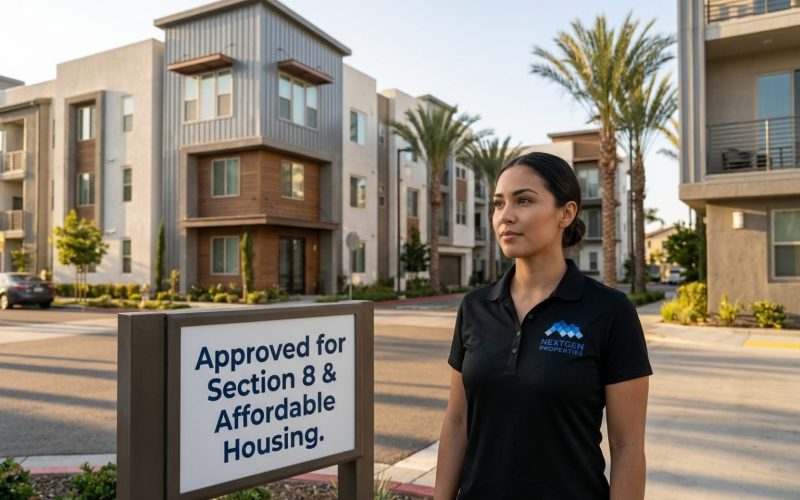
California's SB 329 prohibits source-of-income discrimination, and AB 246's 2026 enforcement mechanisms create urgent compliance needs for Orange County landlords. The law protects Section 8 vouchers, Social Security, disability benefits, child support, and other lawful income sources. Violations carry penalties up to $4,000 plus attorney fees, with enhanced enforcement through private lawsuits and expanded standing provisions. Orange County's tight rental market?where 47% of renters are cost-burdened?makes compliance critical as protected tenants increasingly rely on alternative income sources. This guide covers exemptions, screening protocols, documentation requirements, and practical compliance strategies for multifamily operators managing the intersection of fair housing law and tenant qualification standards.
SB 329 Source-of-Income Protection: What Changed
California's SB 329, effective January 1, 2020, prohibits landlords from discriminating against tenants based on their source of income. The law covers Section 8 Housing Choice Vouchers, Social Security, disability benefits, unemployment insurance, child support, alimony, and other lawful sources of income. Source-of-income discrimination occurs when landlords refuse to rent, set different terms, or provide inferior service based on how tenants pay rent rather than their ability to pay.
The law applies to most residential rental properties but includes key exemptions. Single-family homes and condominiums are exempt unless managed by a property management company or real estate broker. Properties with four or fewer units where the owner occupies one unit also qualify for exemption. Religious organizations and certain senior housing developments receive additional protections.
AB 246, taking effect in 2026, strengthens SB 329 enforcement significantly. The new law allows private parties to bring discrimination lawsuits, expands standing provisions, and increases penalties. Previously, enforcement relied primarily on government agencies and fair housing organizations with limited resources.

AB 246 Enhanced Enforcement: New Penalties and Procedures
AB 246 transforms SB 329 from a law with limited enforcement mechanisms into one with teeth. Starting in 2026, private enforcement actions allow individual tenants, advocacy groups, and legal aid organizations to file discrimination lawsuits directly. This eliminates the bottleneck of waiting for government agency investigation and prosecution.
Penalty structures under AB 246 include actual damages, punitive damages up to $4,000 per violation, and attorney fees for successful plaintiffs. In Orange County's high-rent market, actual damages can be substantial when discriminatory practices force protected tenants into more expensive housing or extended hotel stays. Punitive damages apply per violation, meaning landlords who systematically discriminate face multiplied penalties.
The law establishes a three-year statute of limitations for bringing claims and allows class action lawsuits when discrimination affects multiple tenants. Litigation costs shift to defendants when plaintiffs prevail, creating strong incentives for aggressive enforcement by advocacy groups. Orange County's active fair housing organizations have already signaled increased testing and enforcement activities.
Standing and Scope Expansions
AB 246 expands who can bring discrimination claims beyond direct victims. Fair housing organizations, legal aid groups, and advocacy organizations gain explicit standing to sue for violations discovered through testing or investigation. This "organizational standing" provision means landlords face scrutiny from professional fair housing enforcement groups, not just individual tenants.
The law also clarifies that discrimination includes not just outright refusal to rent, but also practices that disproportionately burden protected income sources. Setting unreasonable documentation requirements, delaying processing of voucher applications, or steering protected tenants to inferior units all constitute violations under the expanded framework.
Protected Income Sources: What Landlords Must Accept
SB 329 protects a broad range of lawful income sources that Orange County landlords must consider equally with traditional employment income. Housing Choice Vouchers (Section 8) represent the most common protected source, covering approximately 8,200 households in Orange County. The law requires landlords to participate in voucher programs unless property rents exceed payment standards or units fail housing quality standards.
Social Security benefits, including retirement, survivor, and disability payments, receive full protection under SB 329. Orange County's aging population makes this provision particularly relevant, as 23% of county residents over 65 rely primarily on Social Security income. Supplemental Security Income (SSI), Veterans Affairs benefits, and state disability payments also qualify for protection.
Child support, spousal support, and alimony constitute protected income sources when properly documented through court orders or legal agreements. Unemployment insurance, workers' compensation, and temporary disability benefits receive protection during their authorized payment periods. Even lawful side income from gig work, investment returns, or rental property ownership qualifies for protection when properly documented.
Documentation Standards
While landlords must accept protected income sources, they can require reasonable documentation to verify income reliability and amount. For Section 8 vouchers, Housing Authorities provide standardized verification forms and payment calculations. Social Security benefits require official award letters and bank statements showing consistent deposits.
Self-employment income and irregular sources require more extensive documentation, including tax returns, bank statements, and profit-and-loss statements. Landlords can request up to 24 months of income history for irregular sources but cannot impose documentation requirements more stringent than those applied to traditional employment income.
Exemptions and Limitations: When SB 329 Doesn't Apply
SB 329 includes several important exemptions that Orange County landlords should understand clearly. Single-family homes and condominiums owned by individuals qualify for exemption unless managed by a property management company or licensed real estate broker. This exemption disappears when owners hire professional management, making Costa Mesa property management and other professional services a trigger for SB 329 compliance.
The "Mrs. Murphy" exemption protects small property owners living in buildings with four or fewer units. Owner-occupied duplexes, triplexes, and fourplexes qualify for this exemption, but larger properties do not regardless of owner occupancy. Religious organizations receive broader exemptions for properties used in religious activities, though market-rate rental housing owned by religious groups typically remains subject to the law.
Age-restricted senior housing developments (55+ and 62+ communities) receive partial exemptions under federal and state fair housing laws. However, these exemptions apply to age restrictions, not source-of-income protections, creating a complex compliance landscape for senior housing operators.
Geographic and Jurisdictional Considerations
Some Orange County cities have enacted local fair housing ordinances that extend beyond SB 329's requirements. Santa Ana's Rental Stabilization Ordinance includes source-of-income protections that apply to exempt properties under state law. Irvine and Huntington Beach have considered similar local protections, though implementation timelines remain uncertain.
Federal fair housing law doesn't include source-of-income protections, but HUD guidance encourages non-discrimination based on voucher participation. This creates a patchwork of overlapping federal, state, and local requirements that sophisticated operators must navigate carefully.
Compliance Best Practices: Screening and Documentation
Effective SB 329 compliance starts with standardized tenant screening procedures that treat all income sources consistently. Universal application forms should request income information without distinguishing between employment wages, benefits, or vouchers. Screening criteria must focus on income adequacy and reliability rather than source, using consistent debt-to-income ratios and credit requirements across all applicants.
Orange County property management companies have developed best practices including standardized income calculation methods for irregular sources, consistent documentation requirements, and training programs for leasing staff. Properties should establish clear policies for handling voucher inspections, payment timing, and Housing Authority coordination to avoid discriminatory delays.
Documentation protocols should mirror requirements for traditional employment income. If employed applicants need two pay stubs and an employment verification letter, voucher holders should face equivalent documentation burdens—no more, no less. Bank statements, benefit award letters, and Housing Authority paperwork serve as equivalent verification for protected income sources.

Technology and Automation
Modern property management software can help automate SB 329 compliance through standardized workflows and documentation requirements. Automated systems reduce human bias in initial screening phases and create consistent documentation trails for compliance audits. However, staff training remains critical since technology cannot eliminate discriminatory attitudes or practices during personal interactions with applicants.
Online application systems should avoid language that discourages protected income sources or suggests preference for employment income. Marketing materials and rental advertisements must comply with fair housing requirements, avoiding phrases like "steady employment required" or "no vouchers" that violate SB 329.
Practical Implementation Challenges
Orange County landlords face several practical challenges implementing SB 329 compliance effectively. Voucher payment timing creates cash flow challenges since Housing Authorities typically require 30-45 days processing time for initial payments and unit inspections. Properties with tight cash flow management may struggle with delayed payment starts, though this cannot justify discrimination against voucher holders.
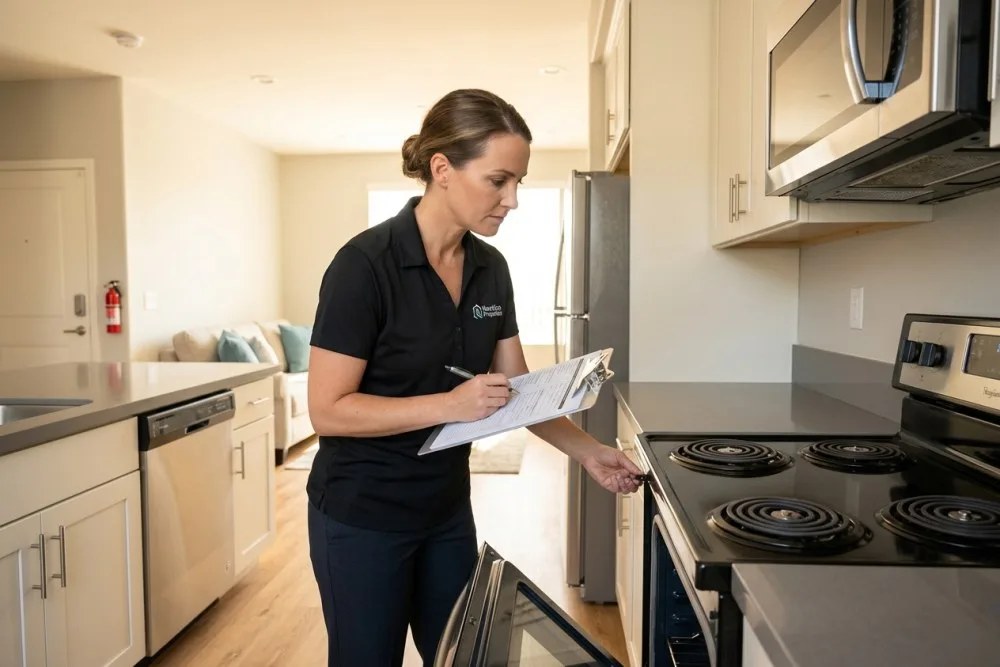
Housing Quality Standards inspections required for voucher participation can reveal maintenance issues that require immediate correction. Properties with deferred maintenance may face substantial costs to meet HQS requirements, creating financial pressure that cannot legally influence tenant selection decisions. We've seen Orange County properties invest $2,000-5,000 per unit in immediate repairs to pass initial inspections.
Market-rate properties often rent above voucher payment standards, particularly in premium Orange County submarkets like Newport Beach or Irvine. When property rents exceed payment standards, landlords can legitimately reject voucher applicants, but must document that rejection stems from payment adequacy rather than voucher source.
Staff Training and Cultural Challenges
Implementing SB 329 compliance requires cultural change within property management organizations. Long-standing preferences for employment income over benefits or vouchers must be eliminated through comprehensive staff training and policy updates. Leasing consultants need specific guidance on language, documentation requirements, and interaction protocols with protected income applicants.
Regular compliance auditing helps identify problematic patterns before they trigger enforcement actions. Mystery shopping programs using protected income testers can reveal discriminatory practices that formal policies might miss. Orange County's fair housing organizations actively conduct such testing, making proactive compliance auditing essential for avoiding violations.
Enforcement Landscape: Orange County Trends
Orange County's fair housing enforcement landscape has intensified significantly since SB 329's implementation. The Fair Housing Council of Orange County reports a 150% increase in source-of-income discrimination complaints between 2020 and 2024, with most cases involving Section 8 voucher rejection or discriminatory documentation requirements. AB 246's private enforcement provisions are expected to accelerate this trend substantially.
Recent enforcement actions highlight common violation patterns. A major Anaheim apartment complex paid $85,000 in 2024 to settle claims involving systematic voucher rejection and discriminatory marketing language. Costa Mesa properties have faced scrutiny for imposing higher security deposits on voucher holders and requiring additional documentation not requested from employed applicants.
Testing operations by fair housing organizations reveal that approximately 30% of Orange County rental properties still engage in some form of source-of-income discrimination. Common violations include verbal discouragement during initial inquiries, slower response times to voucher applicants, and steering protected income tenants to less desirable units within properties.
Litigation Cost Reality
Successful fair housing plaintiffs recover attorney fees under both federal and state law, making discrimination cases attractive to civil rights attorneys. Recent Orange County settlements have included $15,000-40,000 in attorney fees plus actual damages and civil penalties. Properties facing class action claims involving multiple discriminatory incidents face exponentially higher exposure.
Even unsuccessful defense of discrimination claims creates substantial costs. Property owners report spending $25,000-75,000 in legal fees defending fair housing cases, regardless of outcome. These costs, combined with negative publicity and staff time, make prevention through robust compliance programs economically essential.
Financial Impact: Compliance Costs vs Violation Penalties
Implementing effective SB 329 compliance programs requires upfront investment but generates long-term cost savings through violation prevention. Compliance costs typically include staff training ($2,000-5,000 annually), policy development and review ($5,000-10,000 initially), and potential property improvements for voucher compatibility ($1,000-3,000 per unit as needed).
Software updates and process automation add $3,000-8,000 in implementation costs for mid-sized properties, but create ongoing efficiency gains and documentation improvements. Regular compliance auditing through third-party fair housing consultants costs $5,000-15,000 annually but provides crucial early warning of problematic practices.
Violation penalties dwarf compliance costs substantially. AB 246's $4,000 civil penalty per violation, combined with actual damages and attorney fees, creates average settlement costs of $25,000-60,000 per case in Orange County. Class actions or systematic discrimination cases generate six-figure exposures that can threaten property viability.
Insurance and Risk Management
Standard general liability policies typically exclude coverage for fair housing violations, making specialized employment practices liability insurance essential for properties accepting protected income sources. EPLI policies covering fair housing claims cost $2,000-6,000 annually for mid-sized properties but provide crucial financial protection against discrimination lawsuits.
Risk management protocols should include regular policy reviews, documentation audits, and incident reporting systems. Properties that identify potential violations early and take corrective action demonstrate good faith compliance efforts that can mitigate penalty exposure in enforcement proceedings.
Future Considerations and Best Practices
Orange County's rental market evolution will likely increase the importance of SB 329 compliance as protected income sources become more prevalent. Economic pressures from inflation, housing costs, and employment volatility push more renters toward benefits, vouchers, and alternative income sources that receive legal protection.
Best practices for sustainable compliance include embedding fair housing principles into corporate culture rather than treating them as external legal requirements. Properties that genuinely embrace income diversity often discover business benefits including reduced vacancy rates, longer tenant retention, and expanded applicant pools in competitive markets.
Technology solutions continue evolving to support compliance through automated documentation, bias-reducing algorithms, and comprehensive audit trails. However, human judgment and interaction remain crucial elements where discriminatory attitudes can undermine even sophisticated compliance systems.
Future legislative developments may expand protected income categories or strengthen enforcement mechanisms further. Staying ahead of regulatory changes through industry participation, legal counsel consultation, and proactive policy updates helps properties maintain compliance as fair housing law continues evolving.
Frequently Asked Questions