Most landlords think about tenant screening as a compliance exercise. The ones who have been through a California eviction think about it as risk management. The difference between a qualified tenant and the wrong tenant in an OC rental can be $15,000–$40,000 — and several months of your life. Here’s what the numbers actually look like.
Landlords who have never had to evict a tenant tend to think about tenant screening as a formality — a credit check and employment verification, done in 20 minutes, box checked. Landlords who have been through a California eviction view it very differently. They’ve sat in court. They’ve paid the attorney. They’ve walked into a unit after the sheriff’s lockout and seen the damage. They don’t rush the screening process anymore.
A single bad tenancy — eviction, lost rent, damages — typically costs $12,000–$20,000. Four months of lost rent at OC averages exceeds $10,000 alone. Screening is always cheaper.
The Total Cost of a Bad Tenant in OC: A Real Example
A realistic scenario for a 2-bedroom apartment in Costa Mesa renting at $2,800/month:
| Cost Category | Estimated Amount |
|---|---|
| Lost rent during eviction process (4–6 months) | $11,200–$16,800 |
| Attorney fees (contested unlawful detainer) | $3,000–$8,000 |
| Court filing fees and process server | $500–$800 |
| Property damage beyond security deposit | $2,000–$15,000+ |
| Cleaning and trash removal | $500–$1,500 |
| Vacancy while unit is repaired and re-leased (1–2 months) | $2,800–$5,600 |
| Leasing fee for new tenant | $2,800 |
| Total estimated cost | $22,800–$50,500+ |
Lost Rent During the Eviction Process
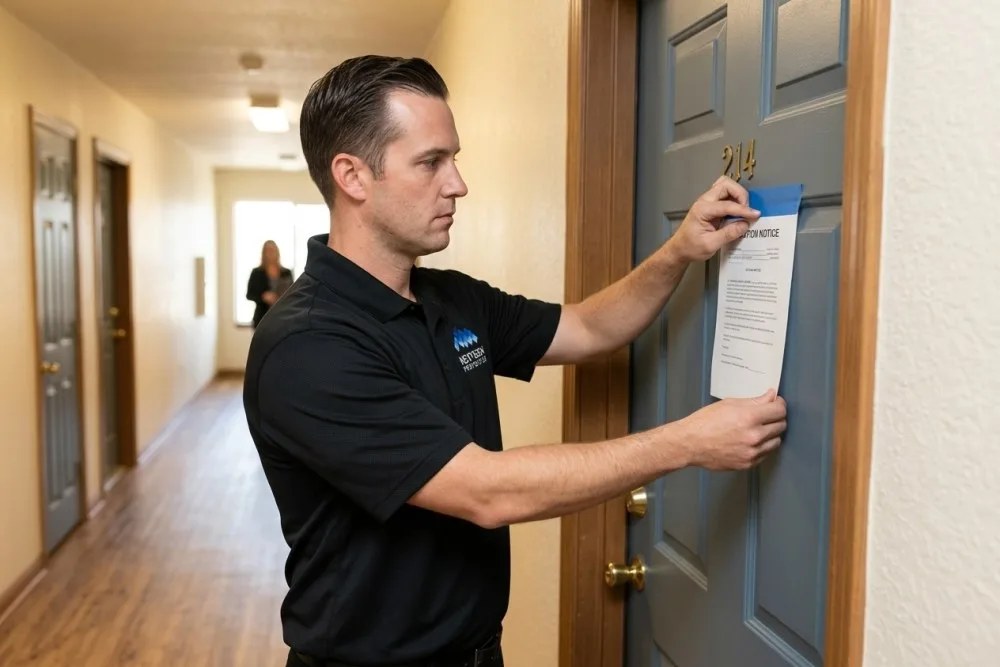
California has one of the longer eviction timelines in the country. After a tenant fails to pay rent, the process typically runs:
- Days 1–5: Three-day notice to pay or quit is served
- Days 8–35: Unlawful detainer lawsuit filed and served
- Days 40–90: Court hearing scheduled
- Days 50–120: Judgment issued (longer if contested with trial)
- Days 60–150: Sheriff performs lockout
That’s 2–5 months of lost rent — at $2,800/month, $11,200–$16,800 before you count anything else.
Legal Fees
An uncontested eviction in Orange County typically costs $1,500–$3,000 in attorney fees. A contested eviction — where the tenant files a response, raises habitability defenses, or requests a jury trial — can run $5,000–$15,000+ in legal costs alone. These fees come before you know whether you’ll recover them from judgment.
Property Damage Beyond the Security Deposit
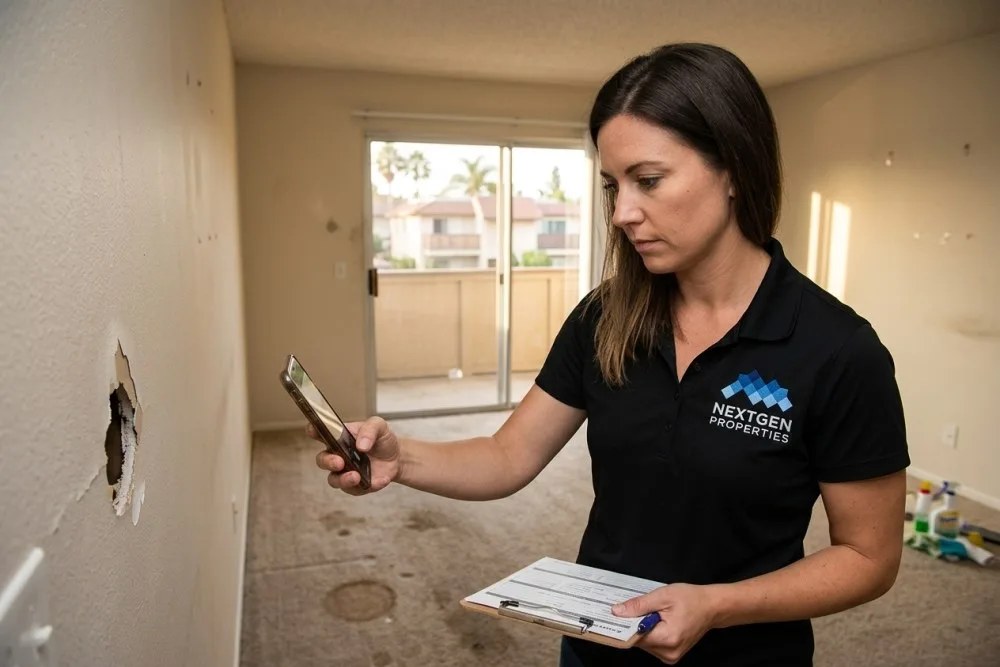
California’s AB 12 (effective July 1, 2024) limits security deposits to one month’s rent ($2,800 in our example), regardless of whether the unit is furnished or unfurnished. A small-landlord exemption allows up to two months’ rent for natural-person owners of no more than two properties with four or fewer total units. Tenants who have been evicted — especially after a contentious process — sometimes leave units in condition that significantly exceeds the deposit. We’ve seen units requiring $20,000–$30,000 to restore: flooring replaced throughout, cabinets damaged, appliances destroyed, mold from a stopped-up drain that went unreported for months. The landlord absorbs everything beyond the deposit.
Vacancy and Re-Leasing Costs After Eviction
Once vacant and repaired, you need to re-lease. In OC’s 2.8% vacancy market, a well-priced unit leases in 1–3 weeks — but the unit has to be ready first, which might take another 2–4 weeks. That’s 1–2 additional months of vacancy at $2,800/month.
What a Professional Tenant Screening Process Looks Like
Everything above is substantially preventable with a rigorous screening process. Here’s what it must include:
Credit report: Look beyond the score. Review tradeline history for patterns: multiple late payments, collections, prior evictions (which appear on credit), recent bankruptcies. A 680 score with a clean history is often preferable to a 720 with collections and a recent rental delinquency.
Income verification: Require gross monthly income of at least 2.5–3x monthly rent. For a $2,800 unit, applicants should earn $7,000–$8,400/month gross. Verify with 3 months of pay stubs, employer verification, and prior-year W-2s. Self-employed applicants require 2 years of tax returns and bank statements.
Rental history: Contact the prior landlord (not the current one — they may be trying to get rid of the tenant). Ask directly: Did they pay on time? Did they cause problems? Would you rent to them again? A prior landlord who answers vaguely or pauses is often telling you something.
Eviction history check: Run a nationwide eviction search. Tenants who have been evicted before are significantly more likely to be evicted again. This is one of the most predictive data points in the process.
ID verification: Verify government-issued ID matches the application. Any discrepancy is an immediate red flag.

Fair Housing Compliance in Screening
Tenant screening must be conducted consistently across all applicants in full compliance with the Fair Housing Act and California’s FEHA. Protected classes include race, color, national origin, religion, sex, familial status, disability, sexual orientation, marital status, and source of income under California law.
Every screening decision should be documented and based on objective, consistently applied criteria. Inconsistent application — even unintentional — creates fair housing liability. A professional property management team applies documented, objective criteria to every applicant in every situation — one of the clearest advantages of professional management over self-managing. See our guide to property management fees to understand the full cost picture of what good management actually prevents.
Frequently Asked Questions