AB 12 fundamentally changed California's security deposit landscape in July 2024, capping most deposits at one month's rent regardless of property type or tenant profile. For Orange County landlords managing everything from Newport Beach luxury units to Santa Ana workforce housing, this represents both immediate compliance obligations and long-term cash flow adjustments. The law eliminates the previous two-month cap for unfurnished units, creating uniform standards that impact tenant screening strategies, lease structuring, and financial projections. Properties with existing above-limit deposits face specific transition requirements, while new leases must immediately comply with the one-month maximum across all unit types and tenant categories.
AB 12 Overview: Effective July 2024
AB 12 took effect July 1, 2024, establishing a uniform one-month rent maximum for security deposits across California's rental housing market. The legislation eliminates previous distinctions between furnished and unfurnished units, creating a single standard that applies to all residential leases regardless of property type, location, or tenant demographics. For Orange County's diverse rental market—from high-end Newport Beach coastal properties to workforce housing in Santa Ana—this represents the most significant deposit regulation change in decades.
The law specifically targets what legislators termed "excessive" deposit practices, particularly impacting markets where landlords previously collected two months' rent as standard practice. Orange County property management operations must now restructure their entire deposit collection and accounting systems to ensure compliance. Properties that collected above-limit deposits before July 2024 face specific transition requirements, while all new leases executed after the effective date must immediately comply with the one-month cap.
Unlike rent control ordinances that vary by municipality, AB 12 applies uniformly across all California jurisdictions. This means Costa Mesa landlords operate under identical deposit rules as those in Huntington Beach, Newport Beach, or any other Orange County city. There are no exemptions for luxury properties, student housing, or corporate rentals. However, a small-landlord exemption exists: natural persons (or all-natural-person LLCs and family trusts) who own no more than two residential properties totaling four or fewer units may still collect up to two months’ rent as a security deposit. This exemption does not apply when the tenant is an active-duty military service member.
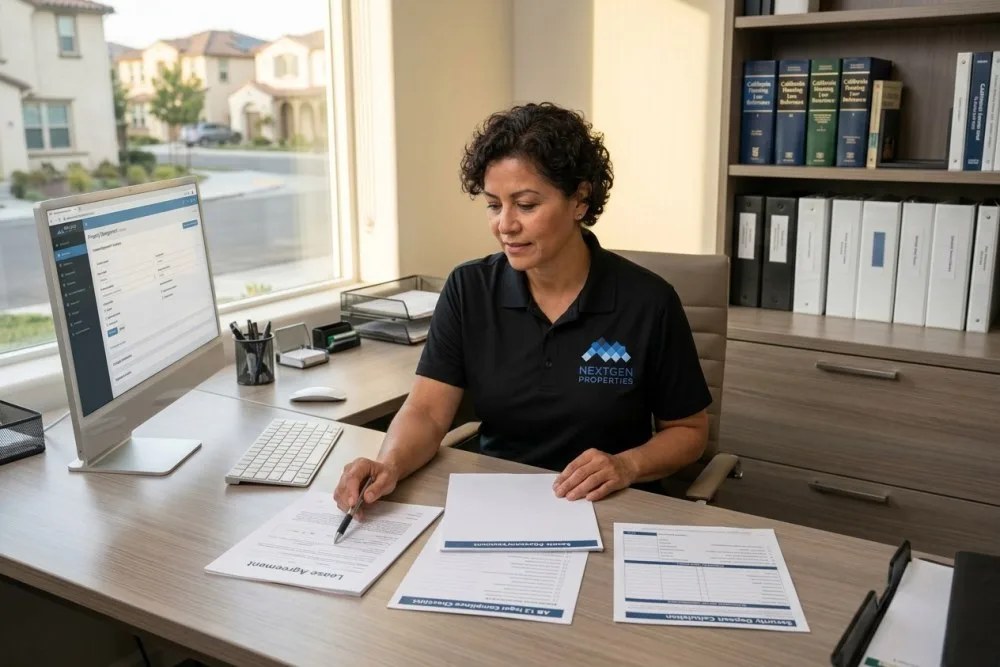
Pre-AB 12 vs Current Deposit Structures
AB 12 eliminated furnished property deposit premiums entirely and cut unfurnished limits in half - Orange County luxury and corporate housing lost 67% and 50% of previous deposit protection respectively
Before AB 12, California Civil Code Section 1950.5 allowed landlords to collect up to two months' rent for unfurnished units and three months' rent for furnished properties. This structure enabled property owners to collect substantial upfront deposits, particularly beneficial for higher-risk tenant profiles or premium properties where potential damage costs exceeded standard wear-and-tear expectations. Orange County's luxury rental market regularly utilized these higher limits, with many Newport Beach and Costa Mesa properties routinely collecting maximum allowable deposits.
The current AB 12 framework eliminates these tiered limits entirely, establishing the one-month maximum regardless of furnishing status, property value, or lease terms. This change particularly impacts furnished rental strategies, where landlords previously justified higher deposits based on furniture, appliance, and fixture replacement costs. Properties offering short-term or corporate housing arrangements—common in Orange County's business districts—now face identical deposit limitations as standard annual lease properties.
Landlords who structured their cash flow projections around higher deposit collection must now adjust their financial models to account for reduced upfront capital. This impacts both initial investment recovery timelines and working capital available for property improvements or emergency repairs. Properties with historically higher turnover rates or maintenance costs face particular challenges in adapting to the reduced deposit protection.
Impact on Different Property Types
Luxury properties in Newport Beach and Huntington Beach previously collected deposits reflecting their higher replacement costs and tenant expectations. AB 12 eliminates this risk-based pricing model, requiring identical deposit limits regardless of unit amenities, finishes, or market positioning. Properties with premium appliances, custom fixtures, or high-end flooring now operate with identical deposit protection as basic workforce housing units.
Student housing and short-term rental properties face similar adjustments. Orange County's proximity to major universities and business centers created a substantial furnished rental market that relied on higher deposits to offset increased wear and potential damage. These properties must now restructure their tenant screening and lease terms to compensate for reduced deposit protection while maintaining profitability and property condition standards.
Compliance Requirements: Existing Tenancies
Properties with active leases where deposits were lawfully collected before July 1, 2024 are not required to refund the difference. AB 12 applies prospectively—the one-month cap governs deposits collected on or after the effective date. However, landlords should update their procedures so that any new lease or renewal after July 1, 2024 collects no more than one month’s rent (unless the small-landlord exemption applies).
AB 12 does not require landlords to retroactively refund security deposits collected lawfully before July 1, 2024. Existing deposits that were within prior legal limits (up to two months’ rent unfurnished, three months’ furnished) remain valid for the duration of that tenancy. The one-month cap applies to deposits collected on or after the effective date—meaning new leases and lease renewals after July 1, 2024 must comply with the lower limit.
For new leases executed after July 1, 2024, property managers must ensure deposit collection does not exceed one month’s rent (or two months’ rent for qualifying small landlords). Lease templates and deposit collection procedures should be updated to reflect current limits, and staff must be trained on which exemptions apply to each property in the portfolio.
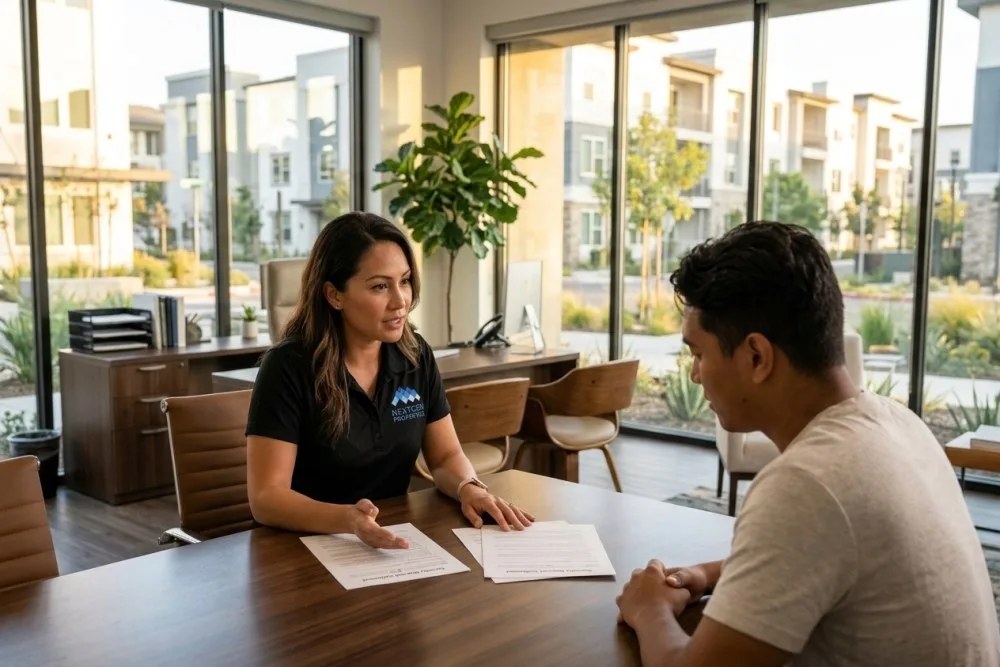
Documentation and Record-Keeping
Compliance documentation extends beyond simple refund processing to comprehensive record-keeping that demonstrates good-faith compliance efforts. Property management systems must track original deposit amounts, refund calculations, tenant communications, and any written agreements to apply excess deposits toward rent. This documentation protects landlords in potential disputes and provides evidence of compliance during regulatory reviews or legal proceedings.
Orange County property management operations should maintain separate files for AB 12 compliance activities, including tenant notification letters, refund checks or electronic transfer records, and any tenant responses or agreements. This documentation becomes particularly important for properties with high tenant turnover or complex lease structures that may face increased scrutiny from tenant advocates or regulatory agencies.
Cash Flow Implications for OC Properties
AB 12's deposit limitations create immediate and long-term cash flow adjustments that extend beyond simple deposit collection changes. Orange County landlords previously relied on substantial upfront deposits to fund initial property improvements, cover potential damage costs, and maintain working capital for ongoing operations. The reduced deposit limits require fundamental restructuring of property financial management and investment recovery strategies.
Properties that historically collected two-month deposits now face a 50% reduction in upfront tenant contributions, directly impacting available cash for unit turnovers, maintenance reserves, and capital improvements. This reduction is particularly significant for older Orange County properties where unit renovation costs between tenancies often exceeded monthly rent amounts. Landlords must now identify alternative funding sources for these essential property maintenance activities.
The timing of cash flow impacts varies by property portfolio composition and tenant turnover rates. Properties with stable, long-term tenancies experience gradual cash flow adjustments as leases renew under AB 12 limits. High-turnover properties face more immediate impacts as each new lease generates significantly less upfront capital than previous deposit collection practices provided.
Alternative Risk Mitigation Strategies
Reduced deposit protection requires enhanced tenant screening procedures to identify potentially problematic tenancies before lease execution. Orange County property management must invest more heavily in background checks, credit verification, and rental history analysis to compensate for decreased financial protection against tenant-caused damages or lease violations. This screening intensification may extend lease approval timelines but provides essential risk management in the reduced-deposit environment.
Some landlords explore legal alternatives such as renter's insurance requirements with higher coverage limits or co-signer arrangements for higher-risk applications. While these strategies cannot replace the immediate liquidity that deposits provided, they offer additional protection layers that help offset AB 12's financial impact on property operations and long-term profitability.
Tenant Screening Adjustments Post-AB 12
The reduced deposit protection under AB 12 necessitates more rigorous tenant evaluation processes throughout Orange County rental markets. Property managers can no longer rely on substantial deposits to offset potential tenant-related losses, making upfront tenant quality assessment more critical than ever. This shift requires investment in enhanced screening technologies, expanded background check procedures, and more detailed financial verification processes.
Credit score requirements may need adjustment to reflect the reduced financial protection deposits previously provided. Properties that accepted marginal credit profiles with higher deposits must now recalibrate their approval criteria to maintain acceptable risk levels. This particularly impacts Orange County's workforce housing market, where tenants with limited credit history previously gained approval through higher deposit payments.
Income verification becomes more critical when deposits cannot provide substantial damage protection. The traditional 2.5x or 3x rent-to-income ratios may require adjustment to 3.5x or higher ratios to ensure tenants can both afford monthly payments and cover potential damage costs from their regular income. This screening intensification may reduce the qualified applicant pool but provides necessary risk management in the AB 12 environment.
Technology and Process Improvements
Enhanced screening requires investment in comprehensive background check services that go beyond basic credit and criminal history reviews. Property management operations should consider employment verification services, previous landlord reference checks, and social media screening tools to build complete tenant profiles before approval. These expanded screening procedures take additional time but provide essential risk assessment in reduced-deposit scenarios.
Digital application and screening platforms can streamline these expanded procedures while maintaining thorough evaluation standards. Automated income verification, instant credit reporting, and digital reference check systems help property managers process more comprehensive tenant evaluations without significantly extending approval timelines or increasing administrative costs.

Lease Structuring Strategies Within Legal Limits
AB 12's deposit limitations require creative lease structuring to maintain property protection while complying with legal requirements. Orange County landlords must explore alternative lease terms and tenant obligations that provide additional security without violating deposit caps. These strategies focus on preventive measures, enhanced tenant responsibilities, and creative financial arrangements that operate within AB 12's regulatory framework.
Renter's insurance requirements become more valuable when deposits cannot provide comprehensive damage protection. Lease agreements should specify minimum coverage amounts, acceptable insurance providers, and annual proof of coverage requirements. Properties can require higher coverage limits than standard policies provide, creating additional protection layers that supplement reduced deposit amounts without violating AB 12's restrictions.
Monthly payment structures can incorporate additional fees for services or amenities that were previously covered by deposit interest or built into base rent calculations. Pet fees, parking charges, and utility management fees can provide ongoing revenue streams that help offset reduced upfront deposit collection. These fees must reflect actual services provided and cannot serve as disguised deposit increases that violate AB 12's intent.
Property Condition Documentation
Detailed move-in and move-out inspection procedures become critical when reduced deposits may not cover tenant-caused damages. Property managers should implement comprehensive photographic documentation, written condition reports, and tenant acknowledgment procedures that clearly establish baseline property conditions. This documentation protects both landlord and tenant interests while providing clear damage assessment standards.
Digital inspection platforms can streamline condition documentation while creating permanent records that support deposit return decisions and damage claims. Time-stamped photographs, detailed written descriptions, and tenant signature requirements provide strong evidence for security deposit disposition and any additional damage charges that exceed available deposit amounts.
Enforcement and Penalties for Compliance Violations
AB 12 violations carry significant financial and legal consequences that extend beyond simple deposit return requirements. California's tenant protection framework includes multiple enforcement mechanisms, from individual tenant lawsuits to regulatory investigations that can result in substantial penalties and ongoing compliance monitoring. Orange County landlords face particular scrutiny given the region's high property values and historically higher deposit collection practices.
Tenants can pursue individual lawsuits for AB 12 violations, seeking not only excess deposit returns but also statutory penalties and attorney fees. California Civil Code Section 1950.5 provides for treble damages in cases of bad faith deposit retention, which now extends to any deposits collected or retained above AB 12 limits. This means landlords who continue collecting two-month deposits after July 2024 face potential liability of three times the excess amount plus legal costs.
Class action lawsuit potential increases when property management companies operate multiple properties with similar deposit violation patterns. Large Orange County property management operations face particular risk if their standard practices violate AB 12 across multiple properties and tenant relationships. These collective actions can result in substantial settlements and ongoing compliance monitoring requirements.
Regulatory and Administrative Penalties
California's Department of Consumer Affairs and local housing authorities monitor landlord compliance with deposit regulations through complaint investigations and proactive enforcement programs. Violations can trigger administrative penalties, mandatory compliance training, and ongoing regulatory oversight that impacts property operations beyond immediate financial penalties.
Professional licensing implications affect California property management companies and real estate brokers who oversee rental properties. License suspension or revocation proceedings can result from systematic AB 12 violations, particularly when regulators identify patterns of non-compliance across multiple properties or tenant relationships. These professional consequences extend far beyond individual penalty amounts to threaten entire business operations.
Implementation Best Practices for Property Managers
Successful AB 12 implementation requires systematic policy updates, staff training, and operational procedure modifications that ensure consistent compliance across all property management activities. Orange County property management companies must audit their entire deposit collection, holding, and return processes to identify potential violation points and implement corrective procedures before compliance issues arise.
Lease template updates represent the first critical implementation step. All rental agreements must reflect current AB 12 deposit limits, eliminate references to higher deposit amounts, and include clear language explaining tenant deposit rights under California law. Properties using generic lease forms or outdated templates face immediate compliance risks that require immediate correction through comprehensive document review and revision.
Staff training programs should cover AB 12 requirements, tenant communication procedures, and violation consequences to ensure consistent implementation across all property management personnel. Leasing agents, maintenance coordinators, and administrative staff must understand deposit limitations and their role in maintaining compliance throughout the tenant relationship lifecycle.
Technology System Updates
Property management software systems require configuration updates to prevent accidental AB 12 violations through automated deposit calculations or standard procedure defaults. Systems should include built-in deposit limit checks, compliance alerts, and reporting features that track deposit amounts across entire property portfolios. These technological safeguards prevent human error while providing documentation of good-faith compliance efforts.
Regular compliance auditing through automated reports helps property managers identify potential violations before they result in tenant complaints or regulatory action. Monthly deposit reporting, exception alerts for above-limit amounts, and systematic lease review procedures provide ongoing compliance monitoring that protects both property operations and tenant relationships.
Costa Mesa property management operations and other Orange County markets benefit from implementing comprehensive AB 12 compliance programs that address all aspects of deposit collection, management, and return procedures. These systematic approaches ensure consistent legal compliance while maintaining operational efficiency and tenant satisfaction in the post-AB 12 regulatory environment.
Frequently Asked Questions