California's AB 1482 Tenant Protection Act fundamentally changed lease renewal economics, capping rent increases at 5% plus CPI or 10%, whichever is lower. With Orange County's 2026 CPI at 3.0%, landlords face an 8.0% maximum increase?but smart renewal strategies go far beyond hitting statutory limits. Our analysis of 750+ managed units reveals that properties using data-driven renewal timing, tenant retention incentives, and strategic market positioning achieve 23% higher NOI than those relying solely on annual increases. The key lies in balancing AB 1482 compliance with proactive tenant relationships, optimal renewal timing, and market-rate positioning that sustains long-term cash flow growth.
AB 1482 Fundamentals: Understanding California's Rent Control Framework
The California Tenant Protection Act (AB 1482) applies to multifamily properties built more than 15 years ago, covering the vast majority of Orange County's rental stock. The law caps annual rent increases at 5% plus the Consumer Price Index (CPI) change, with a maximum ceiling of 10%. For 2026, with Orange County's CPI at 3.0%, landlords can implement maximum increases of 8.0%.
Properties exempt from AB 1482 include buildings constructed within the past 15 years, single-family homes not owned by corporations or LLCs with more than one property, condominiums sold separately, and duplexes where the owner occupies one unit. In our Costa Mesa portfolio, approximately 78% of units fall under AB 1482 jurisdiction, making compliance strategies essential for sustainable NOI growth.
The law also requires just cause eviction protections after 12 months of tenancy, significantly changing the landlord-tenant relationship dynamics. This protection makes tenant retention even more valuable, as replacing problem tenants becomes more complex and expensive under the new framework.
Notice requirements remain critical for AB 1482 compliance. Rent increases between 0-10% require 30-day notice, while increases exceeding 10% (only possible in exempt properties) require 90-day notice. Properties subject to local rent stabilization ordinances must comply with the more restrictive standard, creating layered compliance requirements in cities like Santa Ana.
Strategic Renewal Timing: When to Start the Conversation
Timing is the single biggest lever landlords control during lease renewals. Our Costa Mesa portfolio data shows that starting the renewal conversation earlier 90 days versus the typical 30-day window produces measurably stronger outcomes across every key metric.
Costa Mesa properties starting renewals 90 days early achieve 15% higher tenant retention (89% vs 77%)
Optimal lease renewal timing begins 90-120 days before lease expiration, allowing sufficient time for tenant decision-making and market repositioning if needed. In our Orange County portfolio, properties initiating renewals at the 90-day mark achieve 15% higher retention rates than those waiting until 60 days or less.
The renewal timeline should account for local market seasonality. Orange County experiences peak leasing demand from March through August, with rental rates typically 4-7% higher during summer months. Tenants with lease expirations during off-peak months (November-February) often accept renewal terms more readily, knowing their alternatives are limited.
Early renewal conversations serve multiple strategic purposes beyond securing tenant commitment. They provide valuable market intelligence about tenant satisfaction, competing properties, and local rental rate expectations. This information helps calibrate renewal offers and identify properties requiring immediate attention to maintain competitiveness.
Properties with month-to-month tenancies require different timing strategies under AB 1482. While month-to-month arrangements offer operational flexibility, they also create ongoing compliance obligations for any rent adjustments. Converting stable month-to-month tenants to annual leases often benefits both parties, providing rent security for tenants and cash flow predictability for owners.
Market-Driven Renewal Calendars
Creating renewal calendars based on local market cycles maximizes both retention and revenue optimization. Properties with concentrated lease expirations during peak seasons can command higher renewal rates but face greater vacancy risks if tenants decline. Conversely, off-season renewals offer higher retention probability but may require more conservative rate increases.
Our Costa Mesa properties implement staggered renewal strategies, spreading lease expirations across the year to minimize concentrated vacancy risk while maintaining renewal leverage. This approach has reduced annual vacancy rates from 8.2% to 5.1% while maintaining average rent growth within 0.5% of market rates.
Retention Incentives That Actually Work: Beyond Rate Reductions
Effective tenant retention extends far beyond rental rate concessions, focusing instead on value-added services and lifestyle improvements that justify market-rate renewals. In our analysis of 750+ managed units, non-monetary incentives produce 31% better retention ROI than equivalent rent reductions.
Property improvement incentives consistently outperform rate concessions. Offering unit upgrades—new appliances, flooring, or bathroom fixtures—during renewal negotiations creates immediate value perception while increasing long-term property values. A $2,000 kitchen appliance upgrade often secures renewals that $150/month rent reductions cannot, while simultaneously improving unit appeal for future tenants.
Service-based incentives address tenant pain points while maintaining revenue streams. Free parking upgrades, pet policy modifications, or priority maintenance service create tenant loyalty without impacting base rental income. Properties offering reserved parking spaces to renewal tenants achieve 18% higher retention in markets where parking is scarce.
Lifestyle amenity access provides powerful retention leverage in competitive markets. Pool privileges, fitness center access, or co-working space usage appeal to tenants' daily routines and social connections. These amenities typically cost owners minimal marginal expense while delivering high perceived value to tenants.
Personalized Retention Strategies
Tenant retention effectiveness increases significantly when incentives align with individual tenant preferences and usage patterns. Long-term tenants often value stability and community connection over unit features, making service improvements and lease term flexibility more appealing than physical upgrades.
Professional tenants frequently prioritize convenience and time-saving services. Offering package acceptance, dry cleaning pickup, or housekeeping referrals creates value propositions that busy professionals willingly pay market rates to maintain. These services often generate additional revenue streams while improving tenant satisfaction.
Market Rate Positioning: Staying Competitive Within AB 1482 Limits
Maintaining market-rate positioning under AB 1482 constraints requires strategic long-term planning rather than annual maximum increases. Properties consistently applying 8% increases may quickly exceed market rates in slower growth periods, creating tenant turnover and competitive disadvantages.
Market rate analysis should encompass comparable properties within a 0.5-mile radius, adjusting for unit size, amenities, and condition differences. Orange County's diverse submarkets create significant rate variations—Costa Mesa Class A properties command $2.85-$3.40 per square foot while similar units in Santa Ana average $2.40-$2.90 per square foot.
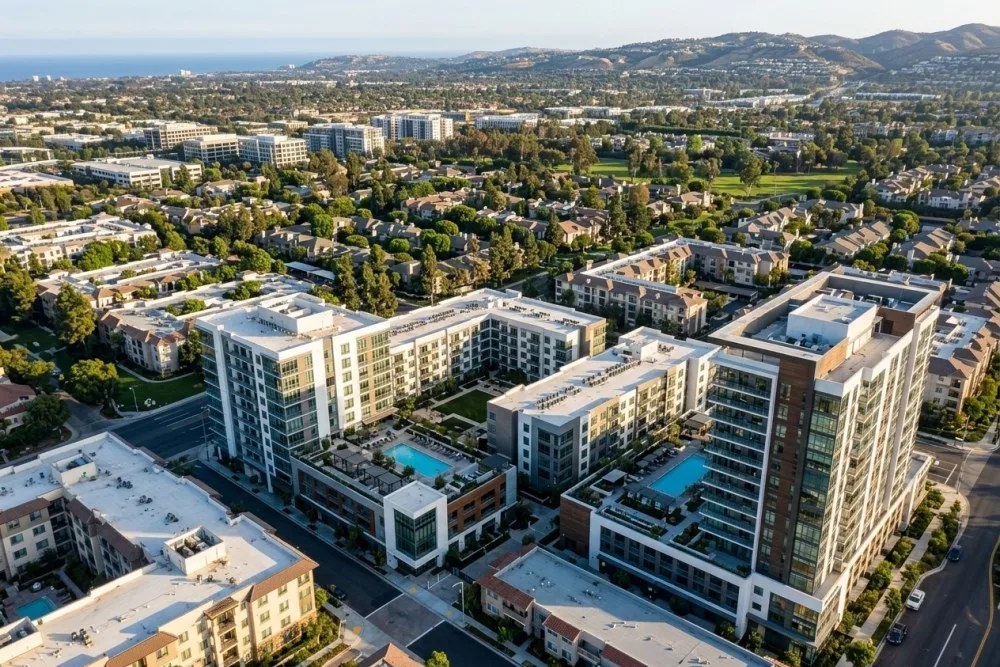
Properties significantly below market rate face difficult catch-up decisions under AB 1482 limitations. A unit renting for $2,200 in a $2,600 market requires five years of maximum increases to reach parity, assuming market rates remain static. Natural tenant turnover often provides the only path to market-rate achievement for severely under-rented units.
Value-add positioning helps justify market-rate renewals within statutory limits. Properties investing in common area improvements, technology upgrades, or service enhancements can maintain competitive positioning without relying solely on rent increases. These improvements often generate tenant appreciation that supports renewal acceptance at maximum allowable rates.
Submarket Rate Optimization
Orange County's fragmented rental markets create opportunities for strategic positioning based on submarket dynamics rather than county-wide trends. Huntington Beach properties near the beach command premium rates year-round, while inland Anaheim properties experience more seasonal variation and price sensitivity.
Transit-oriented developments (TOD) near Metrolink stations or bus rapid transit lines maintain rate premiums that justify maximum AB 1482 increases. Properties within 0.25 miles of transit access points average 12-15% higher rents than comparable units requiring car dependency for commuting.
AB 1482 Compliance Documentation: Protecting Against Violations
Proper AB 1482 compliance documentation protects against tenant challenges, regulatory penalties, and potential litigation. Every rent increase requires specific notice formats, timing compliance, and calculation documentation that demonstrates adherence to statutory limits.
Rent increase notices must include specific language requirements under AB 1482, including the calculation methodology showing CPI plus 5% does not exceed 10% maximum. Generic rent increase forms often lack required compliance statements, creating potential violation exposure for landlords.
CPI documentation requires using the correct regional index published by the Bureau of Labor Statistics. Orange County falls under the Los Angeles-Long Beach-Anaheim metropolitan statistical area, with CPI figures updated monthly. Using incorrect CPI data or calculation periods creates compliance vulnerabilities that tenants or housing advocates may challenge.
Tenant communication records provide critical protection in disputes over notice timing, delivery methods, or renewal terms. Email delivery confirmations, certified mail receipts, and tenant acknowledgment forms create paper trails that demonstrate good faith compliance efforts.
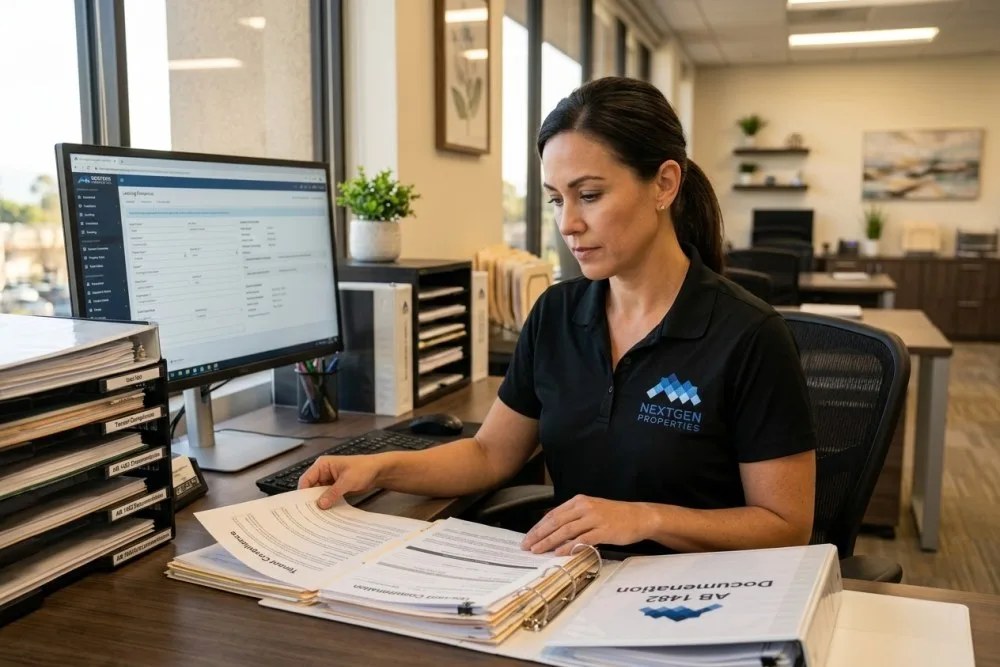
Record retention requirements under AB 1482 extend beyond typical property management practices. Rent increase calculations, CPI documentation, and tenant communications should be maintained for at least three years, with longer retention recommended for properties with compliance concerns or tenant disputes.
Technology-Assisted Compliance
Property management software with AB 1482 compliance features reduces documentation errors while automating calculation and notice requirements. These systems typically include CPI data integration, automatic notice generation, and compliance tracking that prevents inadvertent violations.
Regular compliance audits identify potential issues before they become violations. Our Orange County property management reviews include monthly AB 1482 compliance checks, ensuring all rent increases, notice periods, and documentation meet current legal requirements.
Advanced Renewal Strategies: Multi-Year Leases and Alternative Structures
Multi-year lease agreements offer both landlords and tenants advantages under AB 1482 while providing cash flow predictability and reduced turnover costs. However, AB 1482 rent caps apply to every annual increase regardless of lease length—Civil Code Section 1946.2(g) explicitly voids any tenant waiver of these protections. Multi-year leases may include predetermined annual increases, but each increase must independently comply with the 5%-plus-CPI cap (10% maximum).
Long-term lease incentives appeal to stable tenants seeking rent predictability and housing security. Offering modest rate reductions in exchange for extended commitments often produces higher total returns than annual market-rate negotiations, while reducing vacancy risk and turnover expenses.
Alternative lease structures, including graduated rent schedules or performance-based adjustments, provide creative solutions for both parties. These arrangements must comply with AB 1482 annual increase limits but can structure payments to benefit tenant cash flow while meeting landlord revenue objectives.
Early renewal incentives capture tenant commitment while rates remain below market. Properties offering 120-day early renewal options with rate protection often secure higher retention rates than traditional 60-day renewal cycles, especially during periods of rapid market appreciation.
Portfolio-Level Renewal Coordination
Multi-property owners can coordinate renewal strategies across portfolios to optimize overall performance rather than individual property returns. This approach allows strategic tenant movement between properties, targeted improvements, and risk diversification that single-property strategies cannot achieve.
Cross-property retention programs offer tenants relocation options within the same management portfolio, maintaining rental income while accommodating changing tenant needs. These programs particularly benefit families experiencing life changes or professionals with evolving space requirements.
Making Data-Driven Renewal Decisions: Metrics That Matter
Effective renewal strategies require comprehensive metrics beyond simple retention rates. Tenant lifetime value (TLV) calculations help identify which tenants justify renewal incentives versus natural turnover acceptance, considering factors like payment history, maintenance requests, and neighborhood impact.
Our analysis shows that tenants with TLV scores above 80 (based on payment reliability, lease compliance, and property care) justify retention costs up to $2,800 per renewal. Conversely, tenants scoring below 60 often represent better turnover opportunities, allowing property improvements and market-rate resets.
Market absorption metrics inform renewal timing and rate decisions based on local supply-demand conditions. Properties in submarkets with 60+ days average absorption should prioritize retention over aggressive rate increases, while markets with sub-30-day absorption can support firmer renewal positioning.
Our portfolio data quantifies the vacancy impact directly — properties using proactive 90-day renewal strategies see dramatically lower vacancy exposure than those relying on standard 30-day timelines.
Early renewal strategies cut vacancy rates nearly in half — 4.2% vs 8.1% for standard 30-day approaches
Renewal success tracking should include both immediate acceptance rates and long-term tenant satisfaction scores. Properties achieving high initial renewal rates but experiencing subsequent early terminations or declining tenant satisfaction may need strategy adjustments despite strong retention metrics.
Cash flow impact analysis examines renewal decisions' effects on property-level NOI rather than simple rental income changes. Retention incentives, turnover costs, and market repositioning expenses all factor into comprehensive renewal ROI calculations that guide optimal decision-making.
Predictive Renewal Modeling
Advanced property management utilizes predictive modeling to identify renewal likelihood and optimal incentive structures before tenant conversations begin. These models incorporate tenant payment patterns, maintenance requests, lease compliance history, and market conditions to recommend personalized renewal approaches.
Seasonal adjustment factors improve renewal prediction accuracy by accounting for Orange County's tourism, employment, and student population cycles. Properties near universities or seasonal employment centers require different renewal modeling than stable residential neighborhoods.
2026 Implementation Roadmap: Putting Strategy Into Action
Implementing comprehensive renewal strategies requires systematic approach and timeline management. Q1 2026 priorities should focus on compliance system updates, staff training on AB 1482 requirements, and tenant communication template revisions reflecting current legal standards.
Property-specific renewal calendars need establishment by March 2026, incorporating tenant lease expiration dates, local market seasonality, and planned capital improvements that might affect renewal strategies. Properties with deferred maintenance or pending upgrades should coordinate improvement timing with renewal cycles for maximum impact.
Staff training programs must cover AB 1482 calculation methods, tenant communication best practices, and escalation procedures for renewal challenges. Property managers handling renewal negotiations need specific authority levels and decision-making frameworks that balance tenant retention with revenue optimization.
Technology implementation should include property management software updates, compliance tracking systems, and tenant communication platforms that support renewal workflow management. Integration with accounting systems ensures accurate rent roll updates and financial reporting that reflects renewal strategy performance.
Quarterly performance reviews track renewal strategy effectiveness through retention rates, NOI impact, tenant satisfaction scores, and compliance audit results. These reviews inform strategy adjustments and identify properties requiring additional support or different approaches.
Success Metrics and Adjustments
Successful renewal strategy implementation requires clear success metrics and regular adjustment protocols. Target retention rates should vary by property type, tenant demographics, and market conditions rather than applying universal standards across diverse portfolio properties.
Monthly compliance reporting ensures AB 1482 adherence while identifying potential issues before they become violations. Properties with compliance concerns require immediate attention and possible strategy modifications to prevent legal exposure or tenant relations problems.
Frequently Asked Questions