
Costa Mesa's 100+ property management companies create selection paralysis for multifamily investors. Management fees range from 4-12% depending on portfolio size and service level, but cheap isn't always best. Key differentiators include tenant screening rigor (Costa Mesa's 3.2% vacancy rate demands quality tenants), maintenance response times, and financial reporting depth. Companies charging 6-8% typically offer full-service management with online portals, while discount operators often lack crucial services like proactive maintenance and professional accounting. Smart investors evaluate management quality against fee structure?a 2% fee difference means nothing if poor management costs you a month of vacancy or expensive tenant turnover.
Costa Mesa Property Management Landscape
Costa Mesa's property management market serves approximately 25,000 rental units across diverse property types, from South Coast Metro high-rises to Westside craftsman duplexes. The city's median rent of $2,850 for multifamily units creates substantial management fee revenue, attracting both boutique operators and large regional firms.
We've identified three distinct management tiers in Costa Mesa. Premium operators (6-10% fees) serve institutional clients and high-net-worth investors with comprehensive services. Mid-market firms (5-7% fees) handle most owner-operator portfolios with solid fundamentals and moderate technology adoption. Budget providers (3-5% fees) focus on basic rent collection and minimal maintenance coordination.
Location matters significantly in Costa Mesa management. Properties near South Coast Plaza command premium rents but require sophisticated marketing and tenant relations. Westside properties often need bilingual staff and different maintenance approaches. The best managers understand these micro-market dynamics intimately.

Fee Structures and Hidden Costs
Management fees represent just the starting point in Costa Mesa property management pricing. Standard rates range from 4% for large portfolios to 12% for single properties, but additional fees often double your actual cost.
Common add-on fees include leasing fees (50-100% of first month's rent), maintenance markups (10-25% on contractor work), and administrative charges for everything from lease renewals ($150-300) to late fee collection ($25-50 per incident). Some managers charge separate fees for inspections, court filings, and even monthly financial reporting.
The most expensive hidden cost involves maintenance coordination. Managers often maintain preferred vendor relationships that include undisclosed kickbacks or markups. A $500 plumbing repair might generate $75-125 in additional margin for the management company. Over time, these markups can exceed your base management fees.
Pricing Models Comparison
Percentage-based pricing aligns manager incentives with rent growth but can become expensive on high-value properties. A 6% fee on a $3,000 Costa Mesa unit costs $180 monthly—potentially $2,160 annually plus additional fees.
Flat-fee pricing ($150-400 per unit monthly) provides cost predictability but may reduce manager motivation for rent optimization. Some hybrid models combine lower percentage rates with performance bonuses tied to occupancy or rent growth metrics.
Service Level Evaluation
Costa Mesa property management service levels vary dramatically across pricing tiers. Understanding what you're actually receiving—versus what marketing materials promise—requires careful evaluation of specific operational capabilities.
Tenant screening quality separates professional managers from rent collectors. Top-tier operators verify income, employment, rental history, and criminal background through multiple databases. They maintain strict income-to-rent ratios (typically 3:1 minimum) and require comprehensive application documentation.
Maintenance response protocols reveal management sophistication. Professional companies maintain 24/7 emergency hotlines, track response times by priority level, and use preventive maintenance schedules to reduce costly emergency repairs. They also coordinate with insurance companies during claims and maintain detailed maintenance records for tax depreciation purposes.
Technology and Reporting Capabilities
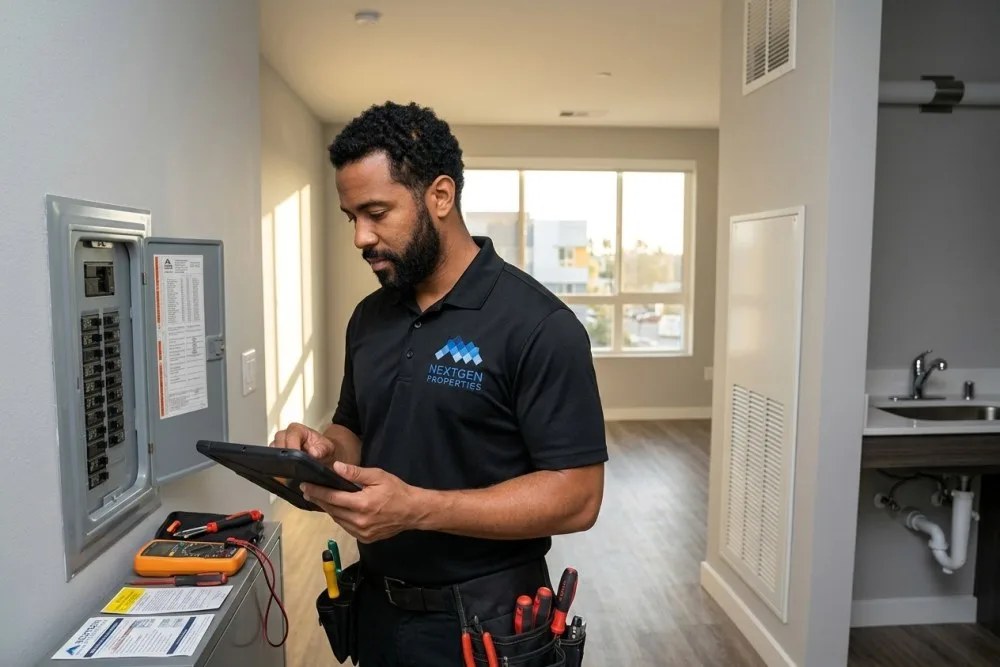
Modern property management requires sophisticated software systems for rent collection, maintenance coordination, and financial reporting. Leading Costa Mesa managers provide online tenant portals, automated rent collection, and real-time owner dashboards with key performance metrics.
Monthly financial reporting quality varies significantly. Premium managers provide detailed income statements, cash flow analysis, and market comparison data. Budget operators often deliver basic rent rolls with minimal analytical insight. The reporting difference becomes crucial during refinancing, sale preparation, or tax planning.
Tenant Screening Standards
Costa Mesa's competitive rental market—with average vacancy rates below 4%—allows for selective tenant screening. However, California's increasingly complex fair housing requirements demand professional screening protocols to avoid discrimination claims.
Income verification standards should include pay stubs, employment letters, and bank statements for all proposed tenants. Self-employed applicants require additional documentation including tax returns and profit-and-loss statements. Managers should verify employment directly with employers, not rely solely on applicant-provided documentation.
Criminal background screening must comply with California's "ban the box" legislation and local fair chance ordinances. Professional managers understand which convictions legally justify application denial and maintain consistent screening criteria across all applicants to prevent discrimination claims.
Rental history verification often reveals the most valuable insights about prospective tenants. Quality managers contact previous landlords directly and ask specific questions about rent payment patterns, property care, and lease violations. They also check eviction databases and court records for undisclosed rental problems.
Fair Housing Compliance
Costa Mesa property managers must navigate federal, state, and local fair housing requirements that continue expanding. Professional managers maintain current training on protected classes, reasonable accommodation procedures, and advertising compliance.
The most sophisticated managers use objective scoring systems for tenant applications, maintaining detailed records of screening decisions. This documentation becomes crucial if discrimination complaints arise. They also ensure all marketing materials and application processes comply with current fair housing standards.
Maintenance and Vendor Management
Maintenance coordination quality directly impacts your Costa Mesa property's long-term value and cash flow. Professional managers maintain networks of licensed, insured contractors who provide competitive pricing and quality workmanship.
Emergency response capabilities matter significantly in Costa Mesa's competitive rental market. Tenants expect rapid resolution of heating, plumbing, and security issues. Top managers maintain 24/7 emergency hotlines and can coordinate immediate repairs to prevent tenant satisfaction problems.
Preventive maintenance programs distinguish professional managers from reactive operators. Quality managers schedule regular HVAC service, gutter cleaning, and property inspections to identify problems before they become expensive emergencies. They maintain detailed maintenance calendars and coordinate seasonal preparation tasks.
Vendor pricing transparency varies dramatically among Costa Mesa managers. Some provide detailed invoices with transparent contractor pricing. Others mark up vendor services significantly while providing minimal pricing detail. Clarify markup policies and vendor selection criteria during manager interviews.

Capital Improvement Coordination
Larger maintenance projects require sophisticated coordination skills and vendor relationships. Professional managers can coordinate multi-trade projects like kitchen renovations or exterior improvements while minimizing tenant disruption and ensuring quality outcomes.
The best managers also understand Costa Mesa's permit requirements and can navigate city approval processes for improvements requiring permits. They maintain relationships with architectural and engineering professionals for larger renovation projects.
Financial Reporting and Accounting
Costa Mesa property management accounting quality ranges from basic rent tracking to sophisticated financial analysis. Understanding reporting capabilities before hiring prevents frustration and ensures you receive necessary data for tax planning and investment decision-making.
Monthly financial statements should include detailed income and expense categorization, year-to-date comparisons, and variance analysis against budgets. Professional managers provide statements within 10 days of month-end and include narrative explanation of significant variances.
Cash management protocols affect your investment returns directly. Managers should maintain separate trust accounts for security deposits and rent collections, provide transparent fee deductions, and deliver owner distributions promptly. Some managers offer daily cash reporting and immediate electronic distributions.
Tax preparation support varies among Costa Mesa managers. The most sophisticated provide detailed expense categorization for tax depreciation, 1099 preparation for contractors, and year-end reporting that simplifies tax filing. They understand real estate tax implications and can advise on timing for capital improvements and repairs.
Performance Analytics
Advanced managers provide market comparison data showing how your Costa Mesa properties perform against comparable rentals. This includes rent pricing analysis, vacancy rate comparisons, and expense benchmarking against similar properties.
The best managers also track leading indicators like application volume, showing activity, and renewal rates that predict future performance. This data enables proactive management decisions rather than reactive problem-solving.
Contract Terms and Red Flags
Costa Mesa property management contracts contain critical terms that affect your investment returns and operational flexibility. Understanding key provisions prevents costly surprises and ensures alignment between your expectations and manager capabilities.
Termination clauses deserve careful attention. Reasonable contracts allow 30-60 day termination with written notice. Avoid managers requiring longer termination periods or charging excessive termination fees. Some managers demand termination fees equal to 3-6 months of management fees—a significant red flag indicating poor service confidence.
Spending authority limits protect your cash flow while enabling efficient operations. Professional managers should handle routine maintenance under predetermined limits ($200-500 per incident) while requiring approval for larger expenditures. Emergency spending authority should be clearly defined with rapid notification requirements.
Fee escalation clauses often hide in contract fine print. Some managers reserve rights to increase fees annually or add new service charges with minimal notice. Negotiate fee increase limitations and require written approval for new charges not specified in the original agreement.
Insurance and Liability Issues
Professional Costa Mesa managers carry comprehensive general liability and errors-and-omissions insurance. They should provide insurance certificates and maintain adequate coverage limits given your property values. Managers handling trust accounts should carry separate fidelity bonds protecting against theft or misappropriation.
License verification represents basic due diligence often overlooked by investors. California requires a real estate broker's license for anyone managing property for compensation, regardless of portfolio size. (The 16-unit threshold is a separate requirement: properties with 16 or more units must have a resident on-site manager.) Verify current license status through the California Department of Real Estate website and check for disciplinary actions or complaints.
Selection Process and Interview Questions
Selecting the right Costa Mesa property manager requires systematic evaluation beyond marketing presentations and fee quotes. Successful investors use structured interview processes to assess operational capabilities and cultural fit.
Portfolio-specific questions reveal manager experience with properties similar to yours. Ask about their current Costa Mesa portfolio composition, average vacancy rates, and typical tenant demographics. Managers unfamiliar with your property type or submarket may struggle with rent pricing and tenant screening.
Operational process questions uncover service level reality. Ask how they handle after-hours emergency calls, what constitutes maintenance emergencies, and typical response times for different repair priorities. Request examples of their monthly financial reporting and tenant communication procedures.
Reference verification provides crucial insights into manager performance. Contact current clients with similar properties and ask specific questions about communication quality, maintenance coordination, and financial reporting accuracy. Also contact former clients to understand why the relationship ended.
Due Diligence Checklist
Comprehensive manager evaluation should include license verification, insurance confirmation, and financial stability assessment. Request bank references and verify their ability to handle trust account responsibilities. Some managers operate with minimal working capital, creating cash flow problems during high-maintenance periods.
Technology demonstration reveals operational sophistication. Request live demonstrations of their property management software, owner portal capabilities, and financial reporting systems. Managers using outdated software often struggle with efficiency and accurate reporting.
Transitioning Between Managers
Changing Costa Mesa property managers—whether firing underperformers or upgrading services—requires careful coordination to minimize disruption and protect tenant relationships. Poor transitions can cost months of vacancy and tenant turnover.
Document transfer protocols should begin weeks before termination. Ensure complete file transfer including lease agreements, security deposit records, maintenance history, and tenant contact information. Professional managers provide detailed transition checklists and coordinate directly with new management companies.
Financial reconciliation becomes critical during manager transitions. Verify all rent collections, security deposit accounting, and outstanding maintenance invoices. Some managers delay final accounting or disputes arise over security deposit handling. Document all financial positions before termination notices.
Tenant communication during transitions affects retention and satisfaction. Professional new managers introduce themselves promptly, explain service improvements, and address tenant concerns about payment procedures or emergency contacts. Poor transition communication often triggers unnecessary move-outs.
Avoiding Transition Pitfalls
Common transition problems include lost security deposits, incomplete maintenance records, and tenant payment confusion. Maintain detailed records independent of your manager and verify all financial positions monthly to simplify transitions.
California law requires specific security deposit handling during manager changes. Ensure new managers receive proper deposit transfers with complete tenant accounting. Deposit handling errors can trigger significant legal liability and tenant disputes.
Costa Mesa Market-Specific Considerations
Costa Mesa's unique rental market dynamics require managers who understand local tenant preferences, pricing trends, and regulatory environment. Generic property management approaches often fail in this sophisticated market.
Submarket expertise matters significantly in Costa Mesa. South Coast Metro properties compete with luxury rentals and require premium marketing and concierge-level service. Westside properties serve different demographics with distinct maintenance expectations and communication preferences.
Costa Mesa's proximity to employment centers affects tenant turnover patterns and rent pricing. Managers should understand commute patterns to Irvine, Newport Beach, and LAX to optimize marketing timing and rental pricing. Properties near the 405 freeway command premium rents but may experience higher noise complaints.
Local regulatory knowledge becomes increasingly important as california landlord compliance 2026 requirements expand. Professional Costa Mesa managers stay current on city ordinances, state legislation, and federal requirements affecting rent control, eviction procedures, and habitability standards.
The city's ongoing development projects—including transit improvements and commercial construction—create both opportunities and challenges for rental properties. Managers should understand how infrastructure changes might affect your property's desirability and rent pricing potential.
Frequently Asked Questions