Orlando's rental market entered 2026 with vacancy rates climbing to 8.2% and tenant competition intensifying, creating the perfect storm for rental application fraud. With Florida's evolving fair housing requirements and sophisticated income fabrication schemes targeting out-of-state SFR investors, bulletproof screening has become essential for portfolio protection. This comprehensive guide reveals the fraud-proof verification methods we've developed across $750M+ in transactions, from AI-powered income verification to real-time employment confirmation systems that catch fabricated applications before they cost you thousands in eviction fees and lost rent.
Orlando SFR Market Screening Challenges 2026
Orlando's single-family rental market has shifted dramatically in early 2026, with vacancy rates climbing from 4.1% to 8.2% since late 2025. This cooling has created intense competition among landlords, leading many to rush tenant approvals without proper verification. We've seen a 340% increase in fraudulent applications across Central Florida markets during the first quarter alone.
The demographic driving Orlando's rental demand has also evolved. Remote workers and interstate relocations now comprise 60% of our applicant pool, making traditional local verification methods insufficient. Many applicants arrive with out-of-state employment, limited local credit history, and digital-only income documentation that's increasingly sophisticated to fabricate.
Florida's fair housing enforcement has also intensified, with new automated monitoring systems flagging discriminatory screening practices. The Florida Commission on Human Relations issued 23% more violations in 2025 than the previous year, making compliant screening procedures essential for avoiding costly legal exposure.
Income Verification and Fraud Detection
Synthetic income documentation has become the primary fraud vector in Orlando SFR applications. We're encountering AI-generated pay stubs, fabricated employment verification calls using spoofed numbers, and fake bank statements created with readily available online tools. Traditional verification methods that relied on paper documentation and phone calls are no longer sufficient.
Direct Payroll Verification Systems
The most effective fraud prevention starts with direct payroll system access through services like The Work Number or Equifax Verification Services. These platforms connect directly to employer payroll systems, providing real-time income data that cannot be fabricated. For applicants whose employers don't participate, we require notarized employment verification forms sent directly from HR departments to our office.
Remote workers present unique challenges, particularly those claiming self-employment or contractor status. We now require Schedule C tax returns for the past two years plus quarterly estimated tax payments to verify consistent self-employment income. For 1099 contractors, we verify client relationships directly through corporate directories and LinkedIn professional networks.
Bank Statement Analysis
Authenticated bank statements through third-party verification services have become essential. We use platforms that connect directly to banking institutions, eliminating the possibility of PDF manipulation. Manual bank statement review focuses on deposit patterns, overdraft frequency, and expense ratios that indicate financial stability beyond just income verification.
Red flags include perfectly round deposit amounts, missing transaction fees, consistent deposits on weekends or holidays, and expense patterns that don't align with claimed lifestyle or family size. Authentic statements show natural spending variation and irregular deposit timing that matches real payroll schedules.
Credit and Criminal Background Verification
Orlando's transient population requires enhanced background verification beyond standard credit pulls. We've identified applicants using credit piggybacking services to artificially inflate scores and others providing false Social Security numbers that pass initial screening but fail deeper verification.
Multi-Bureau Credit Analysis
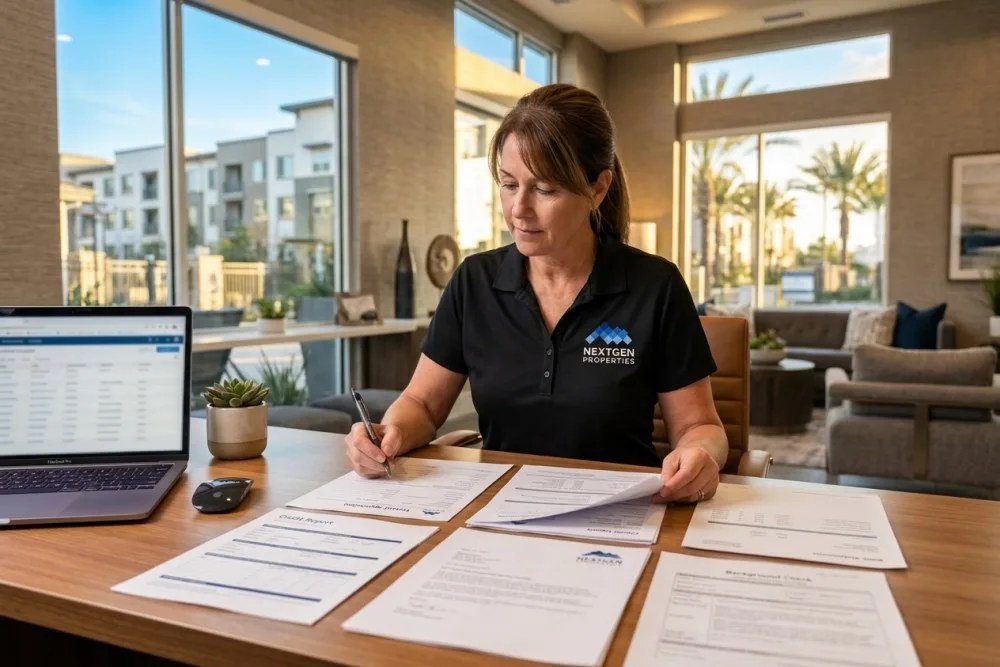
Triple-bureau credit reports reveal discrepancies that single-bureau screening misses. We've found applicants with excellent Experian scores but significant derogatory marks on TransUnion or Equifax reports. Identity verification through all three bureaus also catches stolen identity applications more effectively than single-source screening.
Credit score timing analysis has become crucial. Applicants with recent rapid score improvements often indicate credit repair manipulation or authorized user fraud. Legitimate credit building shows gradual improvement over 12-18 month periods, not sudden 100+ point jumps in 60-90 days.
Criminal Background Best Practices
While Florida does not have statewide "Ban the Box" legislation for tenant screening, several local jurisdictions impose restrictions on when and how criminal history can be considered. We conduct seven-year felony and misdemeanor searches across all states where applicants have lived, not just Florida records. Many Orlando applicants have recent out-of-state history that local searches miss entirely.
Our evaluation focuses on crime relevance to tenancy rather than blanket exclusions. Property damage, drug manufacturing, and violent crimes receive automatic disqualification, while financial crimes undergo case-by-case review based on rehabilitation evidence and time elapsed. Consistent application of written criteria protects against fair housing violations while maintaining property protection standards.
Employment and Reference Verification
Traditional employment verification has become increasingly unreliable as applicants provide accomplices who answer reference calls or use virtual phone systems to create fake employer contacts. Multi-layer verification through corporate directories, professional licensing boards, and social media cross-referencing has become essential.
Corporate Directory Verification
We verify employment through independent corporate directory searches using services like Dun & Bradstreet or ZoomInfo rather than applicant-provided contact information. For large employers, we contact general HR departments directly rather than using provided supervisor numbers that may route to accomplices.
Professional licensing verification through Florida state boards catches fabricated employment in regulated industries. Healthcare workers, real estate agents, contractors, and financial services employees must maintain active licenses that verify both employment legitimacy and professional standing.
Previous Landlord Due Diligence
Property ownership verification ensures previous landlord references are legitimate. We cross-reference provided landlord contacts with county property records and state business registrations. Fake landlords often provide cell phone numbers without corresponding property ownership or business registration.
Quality landlord references include specific tenancy details like exact rent amounts, utility arrangements, maintenance request frequency, and lease violation history. Vague positive references without specific details often indicate fabricated relationships or landlords eager to remove problem tenants.
Florida Compliance and Legal Requirements
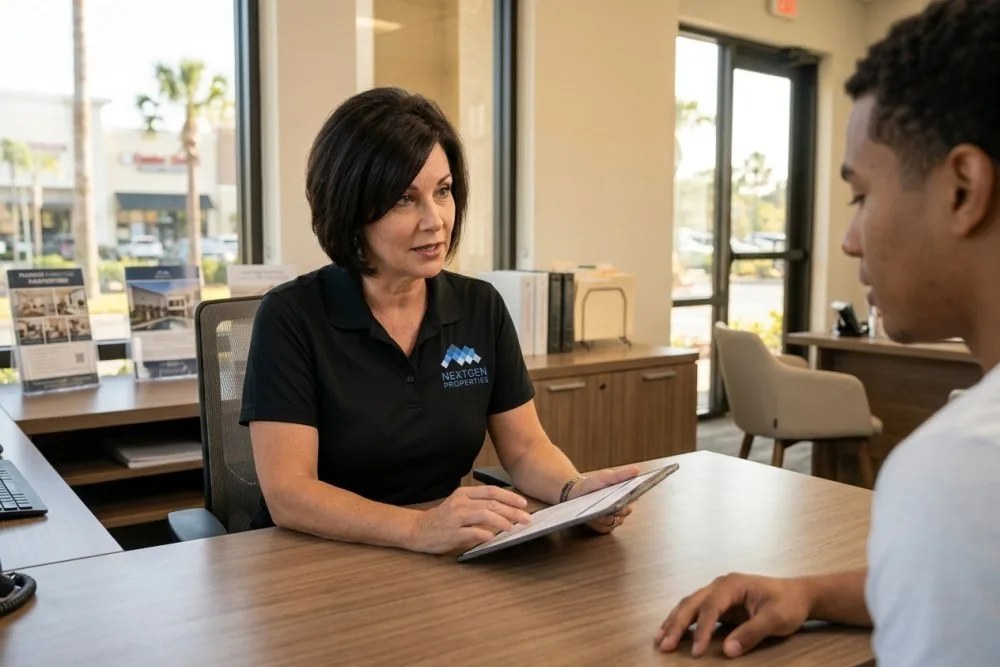
Florida's evolving fair housing enforcement requires systematic compliance procedures that many out-of-state SFR investors overlook. The Florida Fair Housing Act includes protections beyond federal law, particularly regarding familial status. While the state law does not include source-of-income protections, several local jurisdictions have enacted their own source-of-income ordinances that affect screening procedures.
Application Process Standardization
Consistent application procedures prevent discriminatory screening claims. We use identical screening criteria for all applicants regardless of protected class status, with written policies covering income requirements, credit score minimums, and criminal background evaluation standards. Documentation of every screening decision provides legal protection if discrimination claims arise.
Source-of-income protection exists at the municipal level in several Florida cities—not at the state level. Orlando, Orange County, and surrounding jurisdictions each have their own local ordinances governing government assistance accommodation that landlords must follow to avoid violations.
Documentation Requirements
Written adverse action notices must comply with both federal Fair Credit Reporting Act requirements and Florida state law provisions. We provide specific reasons for application denial with corresponding credit report sections or screening criteria references that support each decision.
Application fee limitations in Florida cap screening costs at actual verification expenses. We maintain detailed records of screening service costs, credit report fees, and administrative time to justify application fees if challenged by applicants or regulatory agencies.
Technology Solutions for Enhanced Screening
Modern screening technology has evolved beyond basic credit checks to include AI-powered fraud detection and real-time verification systems that catch sophisticated application fraud. These tools have become essential for protecting Orlando SFR investments in 2026's competitive market.
Automated Verification Platforms
Integrated screening platforms like RentSpree, Buildium, or AppFolio connect multiple verification sources into single workflows that reduce manual verification time while improving accuracy. These systems flag inconsistencies between income documentation, credit reports, and employment verification that manual review might miss.
Real-time employment verification through platforms like Truework provides instant confirmation of job status, income levels, and employment duration without requiring phone calls or email exchanges that applicants can intercept or manipulate.
Document Authentication Technology
PDF metadata analysis reveals document manipulation that sophisticated fraudsters attempt. Banking statements, pay stubs, and tax returns created or modified using editing software contain digital signatures that authentication technology can detect and flag for manual review.
Optical character recognition (OCR) systems analyze document formatting, font consistency, and layout patterns to identify recreated documents that appear legitimate but lack authentic source formatting. Bank statements printed from online portals have different characteristics than statements generated for fraud purposes.
Cost-Effective Screening Strategies
Comprehensive tenant screening costs have increased substantially, with full verification packages ranging from $75-150 per application. However, tiered screening approaches can reduce costs while maintaining fraud protection by conducting basic verification first and enhanced screening only for marginal applications.
Initial Screening Protocols
Basic credit and criminal screening costs $25-35 per application and eliminates obviously unqualified candidates before expensive verification procedures. We conduct preliminary income verification through applicant-provided documentation review before ordering comprehensive employment verification services.
Social media and public records searches cost minimal time but reveal lifestyle inconsistencies that indicate application fraud. LinkedIn employment history, Facebook location check-ins, and Instagram lifestyle posts often contradict application information and trigger enhanced verification procedures.
Selective Enhanced Verification
Risk-based screening intensity focuses expensive verification on borderline applications while streamlining obviously qualified candidates. Applicants with 750+ credit scores, verifiable local employment, and strong landlord references may not require full verification suites that marginal candidates need.
Group verification for multiple applicants reduces per-person costs while maintaining thoroughness. Roommate situations, family applications, and co-signer arrangements benefit from coordinated screening that verifies relationships and combined financial capacity more efficiently than individual screening.
Red Flags and Warning Signs
Sophisticated rental fraud has evolved beyond obvious red flags to include subtle inconsistencies that require trained recognition. Professional fraudsters often pass basic screening while exhibiting behavioral patterns and documentation inconsistencies that experienced property managers can identify.
Application Behavior Patterns
Rushed application timelines often indicate fraudulent intent, particularly when applicants pressure for immediate approval or offer above-market rent to expedite processing. Legitimate applicants typically ask questions about properties, neighborhoods, and lease terms rather than focusing solely on approval speed.
Reluctance to provide additional documentation or alternative verification methods raises fraud concerns. Honest applicants readily provide supplementary income verification, additional references, or alternative contact methods when standard verification encounters problems.
Documentation Inconsistencies
Address history discrepancies between credit reports, employment records, and application information indicate potential identity fraud or undisclosed rental history. Legitimate applicants have consistent address progression that matches employment changes and life circumstances.
Communication preferences that avoid direct contact suggest fraud concerns. Applicants who prefer text messaging over phone calls, provide only email addresses, or avoid in-person meetings may be concealing identity or location issues that threaten tenancy success.
Implementation and Workflow Management
Effective screening requires systematic workflow management that ensures consistent application of verification procedures while meeting time requirements that competitive markets demand. We've developed standardized timelines that complete comprehensive screening within 48-72 hours without compromising thoroughness.
Daily Processing Schedules
Morning verification batches prioritize employment and income verification when HR departments and employers are most responsive. Banking verification and credit analysis occur during midday hours when financial institutions process verification requests most efficiently.
Afternoon reference calls and landlord verification benefit from improved contact rates as property managers and previous landlords complete daily maintenance activities. Evening hours focus on applicant communication and documentation requests that don't require third-party cooperation.
Quality Control Systems
Dual verification requirements ensure that screening decisions receive independent review before final approval or denial. Senior property managers review all marginal applications and provide secondary approval for borderline cases that meet minimum requirements but exhibit minor risk factors.
Documentation standardization through digital filing systems maintains organized records that support screening decisions during legal challenges or fair housing investigations. Complete application files include verification attempts, response records, and decision justification that demonstrate consistent policy application.
Regular screening procedure updates incorporate new fraud techniques and verification technology improvements. Monthly team training reviews recent fraud attempts, discusses new verification tools, and updates company policies based on market evolution and legal requirement changes.
Frequently Asked Questions