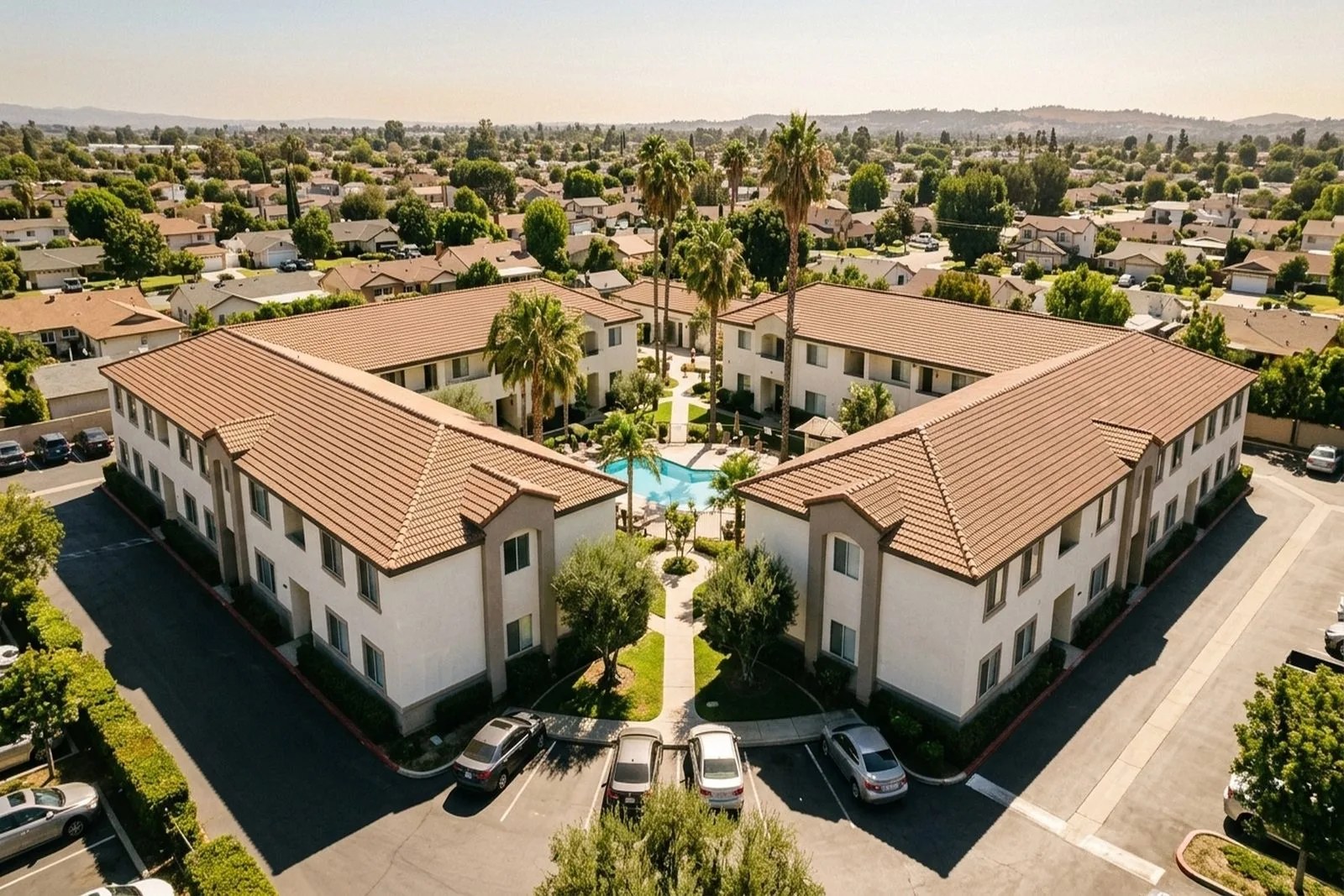
The rent roll is the single most important document you’ll request in multifamily due diligence. It tells you the real story of a property’s income — not the projected story in the OM. Knowing how to read it properly separates investors who underwrite on real data from those who buy on broker-assembled optimism.
When a seller hands you an offering memorandum with a projected NOI, they’re giving you their best-case scenario. When they hand you the rent roll, they’re giving you the truth. The two documents rarely tell the same story, and the delta between them is usually where buyers leave money on the table — or where they avoid getting taken.
At NextGen Properties, reading rent rolls is something our team does every week. Here’s how we approach it.
What Is a Rent Roll?
A rent roll is a snapshot of every unit in a property at a specific point in time. It typically includes unit number, unit type, tenant name, monthly rent, lease start date, lease end date, security deposit, and any outstanding balance. Request the rent roll as of the most recent month-end — and ask for the prior 12 months of rent rolls if available. The historical comparison reveals patterns that a single snapshot hides: rising delinquency, unusual turnover, or aggressive rent increases in the months before listing.
Key Columns and What They Mean
Monthly Rent vs. Market Rent: The most important comparison you’ll make. Pull market comps from Apartments.com, CoStar, or comparable recent lease signings in the area. In OC’s compressed vacancy environment, it’s common to find older buildings with rents 15–30% below current market — particularly when long-term tenants have been in place for 5+ years.
Security Deposit: Verify deposits were actually collected and held properly. In California, security deposits are capped at one month’s rent under AB 12 (effective July 1, 2024), regardless of whether the unit is furnished or unfurnished. A small-landlord exemption allows up to two months’ rent for natural-person owners of no more than two properties with four or fewer total units. Undercollected or missing deposits signal sloppy management — and potentially unreported move-outs.
Outstanding Balance: Any past-due amount tells you a tenant is delinquent. Note who, how much, and how long. A single long-term delinquency on a 10-unit building could represent $10,000–$20,000 in uncollected rent that will cost you legal fees and lost revenue to resolve.

Below-Market Rents: Opportunity or Red Flag?
Below-market rents look like opportunity — and sometimes they are. Context matters enormously.
If rents are below market because the property has been poorly managed, you likely have genuine upside. If rents are below market because units are in disrepair, that’s a different conversation. Also critical: check whether the property is subject to AB 1482. If it is, you cannot raise rents to market on existing tenants — you can only raise 5% + CPI (maximum 10%) annually. Getting rents to market requires turnover, and in OC’s 2.8% vacancy market, that typically happens within 60–90 days of a unit becoming available.
Month-to-Month Leases: What They Signal
A high concentration of month-to-month tenancies is one of the most important signals on a rent roll. It can mean stable long-term tenants who converted after their initial lease expired — in OC’s tight market, these tenants rarely move. Or it can mean a seller who has been avoiding lease renewals before a sale, or who knew the building had problems that would surface during a formal renewal conversation. A building where 70% of leases are month-to-month right before a sale warrants extra scrutiny.
Delinquencies and Collection Issues
Any outstanding balance deserves a thorough explanation. Ask: How long has this been outstanding? Is there a collection effort or eviction proceeding underway? California’s eviction process in OC can take 3–6 months and cost $5,000–$15,000 in legal fees. If a delinquent tenant is in place at acquisition, that cost falls on you. Price it into your offer accordingly.
Ask for the trailing 12-month bank statements or property management ledger to cross-reference what actually came in versus what the rent roll shows as collected. This is where discrepancies surface.

Lease Expiration Clustering
If 60–70% of leases expire within the same 90-day window, you’re looking at significant management complexity in your first year. Concentrated expirations mean concentrated turnover risk. In a well-managed property, lease expirations are staggered across the year. If they’re not, it signals reactive rather than proactive leasing — plan for it in your property management strategy.
Cross-Referencing the Rent Roll
A rent roll is only as good as the documents you verify it against. Request and compare all signed leases, trailing 12-month bank statements, utility bills, and prior rent rolls. If you’re buying a property with a management company in place, request their management reports for the past 12 months — these typically contain far more detail than a seller-prepared rent roll and will surface issues the OM doesn’t disclose.
For a deeper look at how the numbers connect, see our full guide on how to underwrite a multifamily property in OC.
Frequently Asked Questions