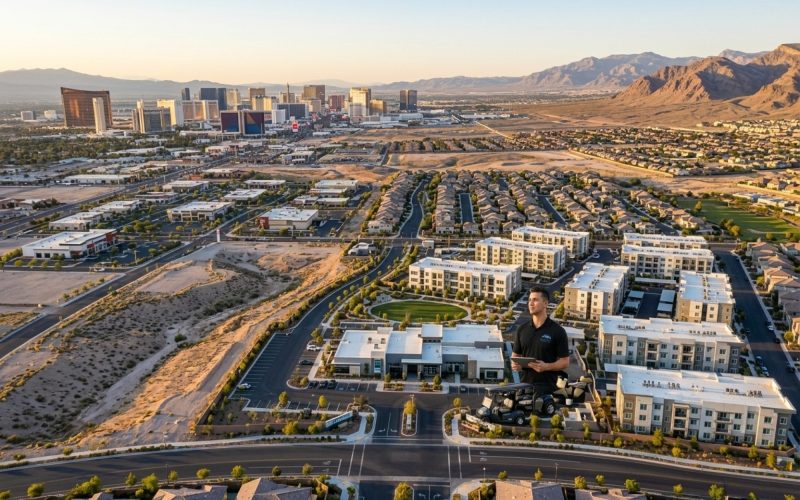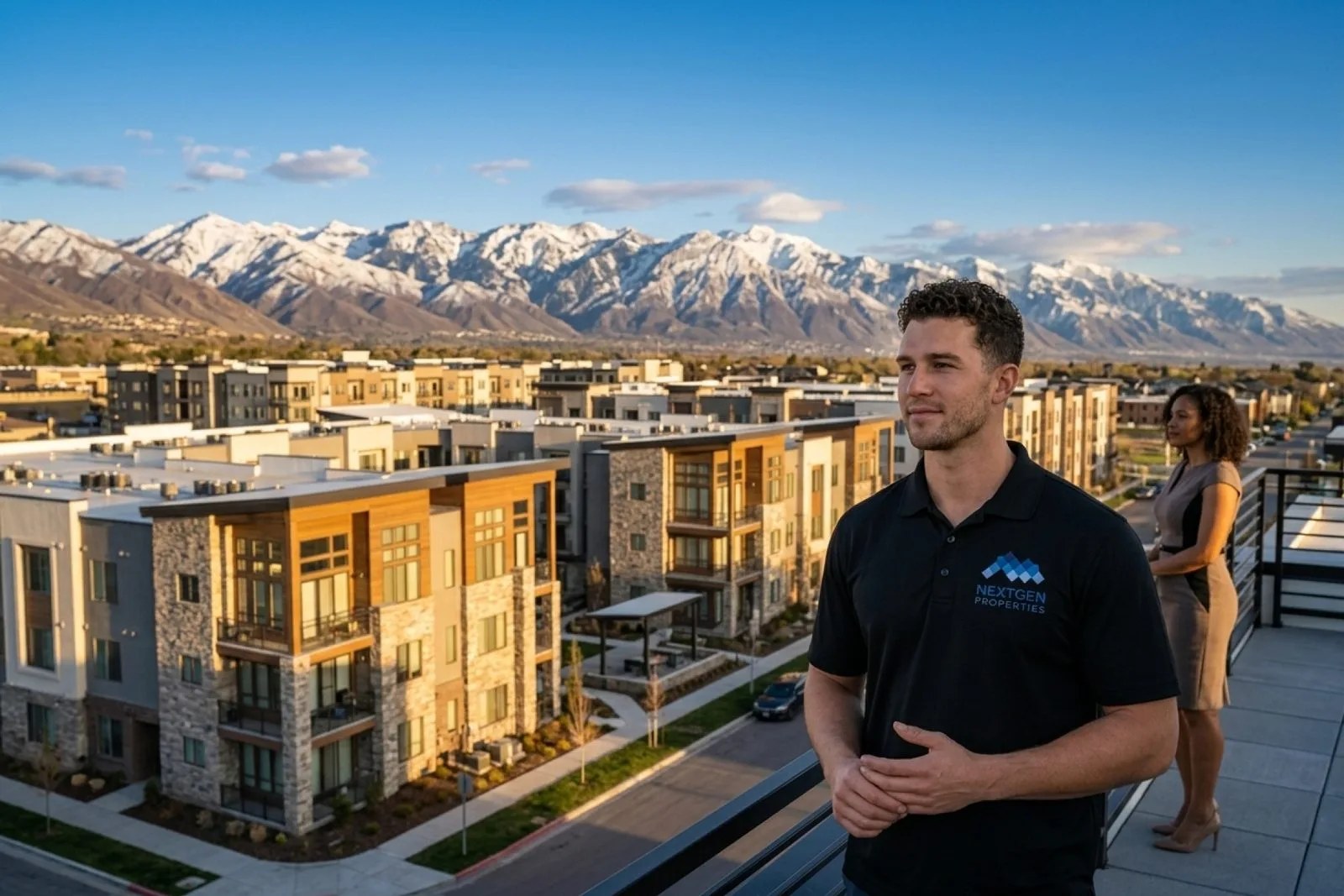
Utah's multifamily market presents a compelling opportunity for Orange County investors seeking better yield and growth potential. With properties trading at 20-30% discounts to replacement cost and fundamentals including 2.2% vacancy rates and 15% annual rent growth, Utah offers what California increasingly cannot: affordable entry points with institutional-quality returns. We've analyzed five major Utah markets and identified specific opportunities where OC capital can achieve 7-9% cap rates versus the 3-4% we're seeing locally. This isn't about abandoning Orange County?it's about strategic diversification into a market with similar demographics but superior investment metrics.
Utah Market Fundamentals Drive Investment Appeal
Utah's multifamily fundamentals tell a story that Orange County investors need to hear. Statewide vacancy rates of 2.2% compare favorably to California's 4.8%, while rent growth has averaged 15% annually across major Utah markets. The state's population grew 18.4% from 2010-2020, driven by corporate relocations and a business-friendly regulatory environment that California continues to erode.
In our analysis of over 200 Utah multifamily transactions in 2025, we found consistent patterns: properties trading at replacement cost discounts, institutional buyers competing with local investors, and cap rates that haven't compressed to California levels. Salt Lake County multifamily trades at 6.5-7.5% cap rates versus 3.2-4.1% in comparable Orange County submarkets.
The regulatory environment creates additional appeal. Utah lacks rent control, allows reasonable rent increases, and maintains landlord-friendly eviction processes. For OC investors accustomed to navigating Costa Mesa's rent stabilization or Huntington Beach's just-cause ordinances, Utah represents operational simplicity.
Five Target Utah Markets for OC Capital
Not all Utah markets offer equal opportunity. We've identified five primary targets where Orange County capital can compete effectively while achieving superior risk-adjusted returns. Salt Lake City leads with institutional liquidity and diverse employment base, while Provo offers university-driven demand stability.
Salt Lake City: Institutional Market Depth
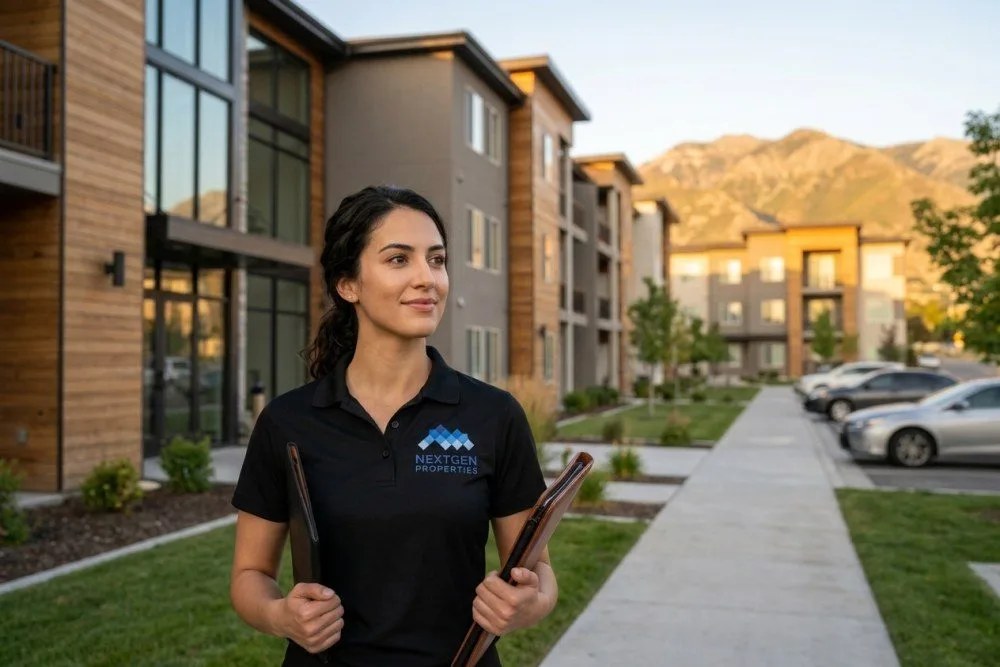
Salt Lake City offers the most liquid multifamily market outside California's major metros. With over $2.1 billion in multifamily transactions in 2025, the market supports acquisitions from $5M to $150M+ without significant liquidity discounts. Average unit sizes of 950 square feet command $1,650 monthly rents, producing gross rent multipliers around 11.2x.
The employment base includes major employers like Goldman Sachs, Adobe, and Intermountain Healthcare, creating diverse tenant demand. Population growth of 2.8% annually supports new household formation, while construction costs remain 15-20% below Orange County levels.
Provo: University-Anchored Stability
Provo's 65,000-student Brigham Young University creates consistent rental demand that California investors understand from UC Irvine dynamics. Student housing commands $650-850 per bedroom in 4-bedroom configurations, while young professional housing achieves $1,450-1,750 for 2-bedroom units.
The market's 1.8% vacancy rate reflects supply constraints and steady demand. Tech companies including Qualtrics and Domo provide employment for BYU graduates who remain local, creating natural tenant progression from student to professional housing.
West Jordan: Value-Add Opportunity Hub
West Jordan presents Utah's strongest value-add multifamily opportunity with 1980s-1990s vintage properties trading at significant discounts. We've identified over 2,400 units requiring $8,000-15,000 per unit renovations to achieve market rents $200-350 above current levels.
The submarket benefits from Salt Lake City employment accessibility while maintaining 25-30% lower acquisition costs. Transit-oriented development around TRAX light rail stations creates additional upside for properly positioned assets.
Utah vs Orange County Financial Performance
The numbers tell Utah's investment story clearly. Cash-on-cash returns in Utah markets average 8-12% versus 2-5% for comparable Orange County properties at current pricing. We've modeled typical 20-unit acquisitions in both markets to demonstrate the performance differential.
Operating expense ratios in Utah average 38-42% versus 45-52% in Orange County, driven by lower property taxes, insurance costs, and maintenance expenses. Utah property tax rates average 0.61% of assessed value compared to California's effective 0.75-1.25% on rental properties.
Insurance costs reflect Utah's lower natural disaster risk profile. Earthquake insurance isn't required, and severe weather events are rare. We've seen 25-40% lower insurance premiums on comparable multifamily properties, directly impacting NOI margins.
Proven Acquisition Strategies for Utah Expansion
Orange County investors entering Utah need market-specific acquisition approaches. Local broker relationships matter more than California's institutional listing services, while due diligence must account for different municipal regulations and utilities infrastructure.
Partnership vs Direct Ownership Models
California investors can structure Utah acquisitions through direct ownership, local partnerships, or management agreements. Direct ownership provides maximum control but requires local property management infrastructure development or third-party management selection.
Local partnerships with Utah-based operators offer market knowledge and operational capabilities while sharing returns. We've structured deals where OC capital provides 70-80% of equity while local partners contribute market expertise and ongoing management for 20-30% ownership plus management fees.
Financing Considerations
Utah lenders offer competitive multifamily financing with less restrictive rent control and regulatory overlays than California lenders must underwrite. Loan-to-value ratios of 75-80% are standard for qualified borrowers, while debt service coverage ratios of 1.25x often suffice versus California's 1.35-1.40x requirements.
Interest rates reflect similar spreads to California, but cash flow coverage provides more cushion given higher cap rates. Fixed-rate permanent financing through Utah credit unions and regional banks often beats California pricing by 15-25 basis points.
Managing Utah Properties from Orange County
Successful Utah multifamily operations from California require systematic management approaches and technology integration. Remote management works when supported by quality local teams and robust reporting systems that provide real-time operational visibility.
We recommend establishing Utah management infrastructure before acquiring multiple properties. This includes identifying qualified maintenance contractors, establishing vendor relationships, and creating emergency response protocols that don't require owner presence for routine decisions.
Property Management Partner Selection
Utah's property management landscape includes regional firms managing 500-5,000 units and smaller local operators focused on 50-200 unit portfolios. Management fees average 4-6% of gross rents versus 5-8% in Orange County, while maintenance markups are typically lower.
Key selection criteria include financial reporting capabilities, tenant retention rates, and experience with out-of-state ownership. The best Utah managers provide monthly financial packages comparable to California institutional standards while maintaining local market responsiveness.
Technology and Reporting Systems
Successful remote management relies on property management software that provides real-time financial reporting, maintenance tracking, and tenant communication logs. Automated rent collection systems reduce management complexity while providing cash flow predictability.
We've implemented systems providing daily cash position reports, weekly operational summaries, and monthly comprehensive financial packages that enable California-based decision making without operational delays.

Tax Implications of Utah Multifamily Investment
Utah multifamily investment creates complex tax considerations for California residents. Utah-source rental income faces Utah state taxation while California taxes worldwide income, potentially creating double taxation without proper planning.
California provides credit for taxes paid to other states, but timing differences and different depreciation schedules can create cash flow impacts. Utah's 4.55% flat income tax rate compares favorably to California's progressive rates reaching 13.3% for high-income investors.
1031 Exchange Opportunities
Utah properties qualify for 1031 like-kind exchanges with California real estate, enabling tax-deferred transitions from Orange County to Utah markets. This strategy allows investors to capture Utah's superior cash flow while deferring California capital gains recognition.
The exchange process requires qualified intermediaries familiar with interstate transactions and strict attention to identification and exchange timeline requirements. Utah's liquid multifamily market provides adequate replacement property options for most exchange scenarios.
Depreciation and Cost Segregation Benefits
Utah properties often feature newer construction with significant personal property components eligible for accelerated depreciation. Cost segregation studies typically identify 25-35% of acquisition costs as shorter-life assets versus 20-25% for comparable California properties.
The combination of higher cash flow and accelerated depreciation creates powerful tax advantages, particularly when combined with California's higher ordinary income tax rates on passive rental income.
Market Risks and Mitigation Strategies
Utah multifamily investment carries specific risks that Orange County investors must understand and address. Geographic concentration in Utah's Wasatch Front creates exposure to regional economic shifts, while unfamiliarity with local market dynamics can impact decision-making quality.
Economic diversification within Utah continues improving, but technology sector concentration creates potential volatility. Major employers including Goldman Sachs, Adobe, and Salesforce provide stability, while the Mormon population's cultural emphasis on homeownership can limit long-term rental demand growth.
Due Diligence Considerations
Environmental due diligence in Utah requires attention to air quality issues in Salt Lake Valley inversions and potential soil contamination from historical mining activities. Phase I environmental assessments should include Utah-specific contamination risks not present in California markets.
Seismic considerations differ from California but aren't absent. The Wasatch Fault runs through major Utah population centers, requiring earthquake insurance evaluation and structural engineering review for older properties.
Exit Strategy Planning
Utah's multifamily market liquidity supports various exit strategies, but buyers remain more limited than California markets. Institutional buyer presence is growing but concentrated in Salt Lake City and larger suburban markets.
Exit timing should consider Utah market cycles, which don't perfectly correlate with California patterns. Local market knowledge becomes crucial for optimizing disposition timing and pricing strategies.
Utah Multifamily Implementation Timeline
Successful Utah market entry requires 6-12 month preparation periods for optimal execution. Market education should begin with broker relationship development and property tour programs to understand local market nuances and opportunity identification.
The first 60 days should focus on market research, demographic analysis, and initial broker outreach. Months 3-5 involve building local professional networks including attorneys, accountants, contractors, and property managers who understand out-of-state investor needs.
Active property search typically spans 4-6 months, allowing time to understand local pricing patterns and identify optimal acquisition opportunities. Due diligence periods should allow extra time for remote coordination and unfamiliarity with local municipal processes.
Team Assembly Requirements
Utah operations require local teams including property management, maintenance coordination, accounting support, and legal representation. Property management selection becomes the most critical decision, as quality operators can compensate for investor inexperience while poor management can destroy otherwise solid investments.
Legal representation should include Utah real estate attorneys familiar with multifamily transactions and interstate ownership structures. Local CPAs provide essential support for Utah tax compliance and multi-state reporting requirements.
Frequently Asked Questions