Orange County's Class B workforce housing segment offers compelling investment fundamentals with 2.8% vacancy rates and strong demographic support from essential workers earning $50,000-$80,000 annually. Institutional investors are deploying billions nationwide into this asset class, recognizing the stability of middle-income rental demand. In our 25 years managing OC multifamily properties, we've seen Class B assets consistently outperform during economic volatility while offering value-add opportunities through strategic improvements. This comprehensive guide examines market dynamics, acquisition criteria, operational strategies, and return expectations for Orange County's workforce housing segment in 2026.
Orange County Workforce Housing Market Fundamentals
Class B workforce housing in Orange County serves the essential worker demographic earning between $50,000 and $80,000 annually. This includes nurses, teachers, retail managers, and municipal employees who form the backbone of OC's economy. Properties typically range from 1970s-1990s construction with 50-200 units, offering amenities like pools and laundry facilities without luxury finishes.
Current market conditions favor workforce housing investment. Orange County's overall vacancy rate sits at 2.8%, with Class B properties experiencing even tighter occupancy due to limited new construction in this price point. We've observed consistent 95%+ occupancy across our Class B portfolio, with tenant turnover averaging 18-24 months compared to 12-15 months for Class C properties.
The demographic fundamentals remain strong. Orange County employs over 180,000 workers in education, healthcare, and public safety sectors—core workforce housing tenants. These employment categories showed resilience during the 2020-2022 economic disruption and continue expanding. Supply constraints prevent meaningful new workforce housing delivery, protecting existing asset values.
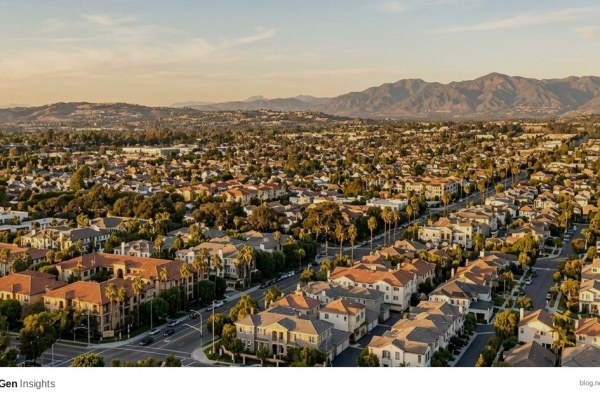
Geographic distribution varies significantly across OC submarkets. Inland areas like Anaheim, Garden Grove, and Santa Ana offer the highest concentration of workforce housing, while coastal markets skew toward luxury Class A properties. This creates acquisition opportunities in transitioning neighborhoods experiencing employment growth and infrastructure investment.
Inland submarkets demonstrate stronger occupancy fundamentals for Class B workforce housing compared to coastal areas with limited inventory.
| Submarket | Occupancy Rate |
|---|---|
| Anaheim/Buena Park | 96.8% |
| Garden Grove/Westminster | 97.2% |
| Santa Ana/Orange | 95.9% |
| Fullerton/Brea | 96.1% |
| Costa Mesa/Newport | 94.3% |
Class B Acquisition Criteria and Due Diligence
Successful Class B workforce housing acquisitions require disciplined underwriting focused on location, physical condition, and operational efficiency. We target properties within 0.5 miles of major employment centers, public transportation, and essential services. School district quality significantly impacts tenant retention, with properties in districts rated 6/10 or higher commanding premium rents.
Physical due diligence emphasizes deferred maintenance assessment and capital improvement potential. Properties built in the 1980s-1990s often feature solid construction but outdated mechanical systems, flooring, and appliances. Our acquisition model allocates $8,000-$12,000 per unit for initial capital improvements, focusing on high-impact upgrades that justify rent increases.

Financial underwriting requires conservative assumptions given the essential worker tenant base. We underwrite to 5% vacancy rates despite current 2-3% actual vacancy, providing downside protection during economic stress. Annual rent growth assumptions of 3-4% align with historical workforce housing performance, avoiding aggressive projections that depend on luxury amenity additions.
Operational due diligence examines current management efficiency and tenant relations. Properties with professional property management typically demonstrate better NOI performance and tenant retention. We review lease files, maintenance records, and capital expenditure history to identify operational improvement opportunities. Tenant mix analysis ensures income diversity and employment stability across the resident base.
Deal Structure and Financing Considerations
Class B workforce housing attracts diverse financing options due to stable cash flow characteristics. Agency debt through Fannie Mae and Freddie Mac offers attractive long-term fixed rates, typically 6.25-6.75% for 10-year terms in current market conditions. These loans require 75-80% LTV ratios but provide predictable debt service supporting acquisition underwriting.
Bridge financing facilitates value-add strategies requiring immediate capital improvements. Lenders offer 70-75% LTV on stabilized value projections, with interest rates ranging 8-10% depending on borrower experience and property quality. We structure bridge loans with 18-24 month terms, providing adequate time for improvement completion and lease-up.
Cash purchase strategies become attractive when targeting distressed assets or sellers requiring quick closings. All-cash acquisitions typically secure 5-10% purchase price discounts while avoiding appraisal and lending delays. Post-acquisition refinancing captures improvement value and returns invested equity for subsequent deals.
Value-Add Strategies for Class B Properties
Interior renovations deliver the highest returns in Class B workforce housing, with kitchen and bathroom upgrades justifying $150-$300 monthly rent increases. We focus on durable, cost-effective improvements including quartz countertops, stainless steel appliances, and luxury vinyl plank flooring. Total renovation costs average $15,000-$20,000 per unit with 18-24 month payback periods.
Common area improvements enhance property appeal and support rent growth across the entire asset. Pool renovations, fitness center additions, and landscaping upgrades create lifestyle amenities valued by workforce tenants. These improvements typically cost $200,000-$400,000 for 100-unit properties while supporting $50-$100 monthly rent increases portfolio-wide.

Operational efficiency improvements reduce expenses while enhancing tenant satisfaction. LED lighting conversions, low-flow plumbing fixtures, and programmable thermostats decrease utility costs by 15-25%. Automated rent collection, online maintenance requests, and digital lease signing reduce management overhead while appealing to younger workforce tenants.
Technology integration creates additional revenue opportunities through resident services and operational automation. Package management systems, keyless entry, and security cameras justify modest rent increases while reducing theft and liability concerns. Smart home features in renovated units command premium pricing among tech-savvy essential workers.
Rent Optimization and Lease Management
Workforce housing rent optimization requires balancing income growth with tenant retention. Annual increases of 4-6% typically maintain occupancy while capturing market appreciation. We implement increases gradually, avoiding shock that triggers turnover among price-sensitive essential worker tenants.
Lease term strategies impact both cash flow stability and operational flexibility. Twelve-month leases remain standard, but offering 6-month or 18-month options can reduce vacancy during seasonal employment fluctuations. Premium pricing for shorter terms and discounts for longer commitments optimize revenue while managing turnover costs.
Tenant screening criteria must balance income requirements with workforce housing accessibility. We require monthly income of 2.5-3.0x rent rather than 3.5-4.0x typical for luxury properties, recognizing essential workers often carry higher debt-to-income ratios. Credit score minimums of 620-650 capture reliable tenants while avoiding excessive restrictions.
Class B Investment Returns and Performance Metrics
Orange County Class B workforce housing has delivered consistent risk-adjusted returns over multiple economic cycles. Our portfolio analysis shows average annual NOI growth of 4.2% from 2019-2025, outpacing inflation while maintaining stable occupancy. Cash-on-cash returns typically range 6-8% in year one, improving to 8-12% post-renovation completion.
Cap rate compression reflects institutional interest in workforce housing fundamentals. Class B properties traded at 5.5-6.5% cap rates in 2025, compared to 4.5-5.5% for Class A assets. This spread provides acquisition opportunities while offering appreciation potential as the asset class gains mainstream acceptance among institutional investors.
Consistent performance demonstrates workforce housing resilience across economic cycles with steady appreciation and cash flow growth.
| Year | Total Return |
|---|---|
| 2021 | 12.3% |
| 2022 | 8.7% |
| 2023 | 11.2% |
| 2024 | 9.8% |
| 2025 | 10.6% |
Exit strategies for Class B properties benefit from multiple buyer categories including individual investors, regional operators, and increasingly, institutional funds. Properties with completed renovations and stabilized operations attract premium pricing from investors seeking immediate cash flow without construction risk.
Market volatility impact differs significantly from luxury housing segments. During the 2020-2022 period, our Class B properties maintained 94%+ occupancy while some Class A assets experienced 85-90% occupancy as high-income tenants relocated or downsized. This stability reflects the essential nature of workforce employment and limited housing alternatives.
Comparative Performance Analysis
Class B workforce housing performance metrics compare favorably to other Orange County investment asset classes. Industrial properties delivered higher absolute returns but require larger capital commitments and specialized expertise. Office buildings faced structural headwinds from remote work trends, while retail properties depend heavily on consumer spending cycles.
Within multifamily, Class B properties offer superior risk-adjusted returns compared to Class C assets serving lower-income tenants. Collection rates, property damage, and turnover costs remain lower among essential worker tenants with stable employment. Class A luxury properties provide higher absolute returns during economic expansion but demonstrate greater volatility during downturns.
Orange County Submarket Opportunities
Anaheim and Buena Park represent the largest Class B workforce housing market in Orange County, with over 25,000 units serving Disney, hospital, and municipal employees. Properties near Angel Stadium and the Resort District benefit from employment density and transportation access. Average rent levels of $2,100-$2,600 for two-bedroom units remain accessible to essential workers while generating solid investor returns.
The Garden Grove and Westminster corridor offers value opportunities due to historically lower property values and ongoing neighborhood improvement. Vietnamese American business district development and Little Saigon cultural attractions enhance long-term appreciation potential. Properties here trade at 6.0-6.5% cap rates, providing higher initial yields than premium OC submarkets.
Santa Ana and Orange submarkets benefit from courthouse, county government, and healthcare employment concentration. Properties within walking distance of Santa Ana College and Chapman University attract stable graduate student and young professional tenants. Transit-oriented development around proposed rail extensions may provide future appreciation catalysts for well-positioned assets.
Northern Orange County markets including Fullerton, Brea, and Placentia serve aerospace, logistics, and manufacturing employment centers. These areas offer larger unit sizes and parking availability valued by essential worker families. School district quality typically exceeds central OC markets, supporting premium rent levels and lower turnover rates.
Emerging Market Dynamics
Demographic shifts favor workforce housing investment across all OC submarkets. Millennial household formation continues driving rental demand, while home purchase affordability remains challenging even for dual-income essential worker families. Median home prices exceeding $800,000 throughout Orange County ensure continued rental demand from the target demographic.
Employment growth in healthcare, education, and public safety sectors provides sustainable tenant demand. Kaiser Permanente, UCI Health, and Children's Hospital of Orange County continue expanding, creating thousands of nursing and support staff positions. These employees typically earn $55,000-$75,000 annually, directly within the Class B workforce housing target range.
Financing and Capital Structure Optimization
Agency financing through Fannie Mae and Freddie Mac provides the foundation for most Class B workforce housing acquisitions. Current rates range 6.0-6.5% for 10-year fixed terms, with 12-year amortization reducing debt service coverage requirements. Supplemental loans allow additional borrowing against improved property values post-renovation completion.
State and local financing programs increasingly support workforce housing development and preservation. California's Multifamily Housing Program offers below-market loans for properties maintaining affordability restrictions. While these limit rent growth potential, they provide access to low-cost capital and may enhance exit values to mission-driven institutional buyers.
Private debt markets offer flexible financing structures for experienced operators pursuing value-add strategies. Preferred equity partnerships provide additional capital while sharing appreciation upside with institutional partners. These structures work particularly well for portfolio acquisitions requiring simultaneous closings and immediate renovation capital.
Tax Strategy and Depreciation Benefits
Class B workforce housing generates significant tax advantages through depreciation, interest deduction, and improvement write-offs. Cost segregation studies accelerate depreciation on building components, creating substantial early-year tax losses that shelter other income. Properties built in the 1980s-1990s typically yield 25-30% of purchase price in accelerated depreciation.
Opportunity Zone investments provide additional tax benefits for properties located in qualified census tracts. Several Orange County submarkets including portions of Santa Ana, Garden Grove, and Anaheim qualify for these programs. Ten-year hold periods eliminate capital gains taxes on appreciated values, significantly enhancing after-tax returns.
1031 exchanges facilitate portfolio growth and geographic diversification without immediate tax consequences. Class B workforce housing's broad buyer appeal ensures adequate replacement property availability for exchange completion. Properties with stable NOI and professional management typically close within 180-day exchange requirements.
Property Management and Operational Excellence
Professional property management significantly impacts Class B workforce housing performance through tenant retention, expense control, and rent optimization. Our portfolio analysis shows professionally managed properties achieve 2-3% higher NOI margins compared to owner-managed assets. Dedicated leasing staff, 24/7 maintenance response, and tenant screening expertise justify management fees through improved operations.
Maintenance strategies must balance cost control with tenant satisfaction and property preservation. Preventive maintenance programs reduce emergency service calls while extending equipment life. We budget 8-12% of gross rental income for maintenance and turnover costs, with higher allocations for properties requiring catch-up maintenance from prior ownership.
Tenant relations programs build community and reduce turnover in workforce housing properties. Resident events, referral bonuses, and early lease renewal incentives create loyalty among price-sensitive essential worker tenants. These programs typically cost $50-$100 per unit annually while reducing $2,000-$3,000 turnover expenses through improved retention.
Technology Integration and Efficiency
Modern property management technology reduces operational costs while enhancing tenant experience. Online rent payment systems decrease collection time and processing costs while providing convenience valued by working professionals. Maintenance request portals improve response times and create service documentation supporting security deposit decisions.
Smart building technology offers expense reduction opportunities in Class B properties through utility monitoring, access control, and security integration. However, implementation costs must align with rent levels and tenant expectations. Workforce housing tenants prioritize functional reliability over luxury technology features.
2026 Market Outlook and Investment Positioning
The Orange County workforce housing market enters 2026 with strong fundamental support from employment growth, supply constraints, and demographic trends. Healthcare sector expansion, infrastructure investment, and educational institution growth continue generating essential worker employment. Limited new construction in the Class B price point protects existing asset values while supporting rent growth.
Interest rate stabilization improves financing conditions while maintaining acquisition yield spreads over treasury rates. We expect continued institutional investment in the workforce housing sector, potentially compressing cap rates 25-50 basis points annually. Early positioning in quality assets provides appreciation potential as the sector gains mainstream acceptance.
Regulatory environment remains generally supportive of rental housing investment, with SB 1211 ADU provisions creating density bonus opportunities for existing multifamily properties. Environmental compliance costs continue increasing, favoring professionally managed properties with adequate reserves over small investor ownership.
Risk Factors and Mitigation Strategies
Primary risk factors include economic recession impacting essential worker employment, new supply delivery reducing occupancy rates, and continued interest rate volatility affecting financing costs. However, essential worker employment demonstrates historical resilience, while OC development constraints limit supply response to current demand levels.
Portfolio diversification across submarkets, property vintages, and unit types reduces concentration risk while maintaining focus on the workforce housing segment. Properties with value-add potential provide downside protection through operational improvement opportunities independent of market conditions.
Frequently Asked Questions